2026 Best Vegetable Dryer Machine for Global Buyers?
In the evolving landscape of food processing, the Vegetable Dryer Machine has emerged as a pivotal tool for global buyers. According to recent market research, the global dehydrated vegetable market is projected to reach $4.4 billion by 2026. This growth reflects increasing consumer demand for health-focused and convenient food options. With the rise of plant-based diets, the need for efficient drying solutions becomes critical.
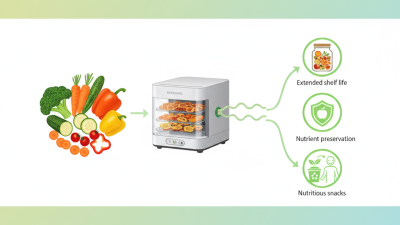
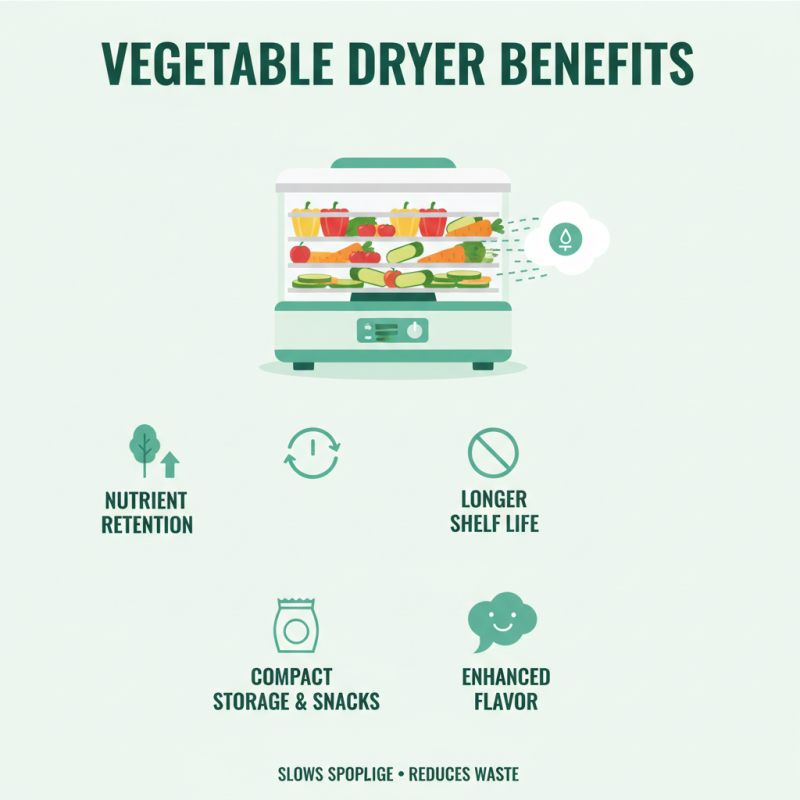
Vegetable dryer machines not only help in preserving nutritional value but also enhance shelf life. Inconsistent drying methods can compromise quality, emphasizing the importance of investing in reliable technology. High-quality machines can achieve moisture content reduction of up to 90%, which is crucial for long-term storage.
However, challenges remain. Not all machines provide uniform results, and some may require significant energy input. Buyers must navigate these variables carefully to ensure the best returns on investment. Understanding the features and specifications of available models is essential to achieve desired outcomes and maintain efficiency in production.
Overview of Vegetable Dryer Machines in the Market
The market for vegetable dryer machines has seen significant advancements in recent years. Consumers are increasingly looking for efficient options to preserve their produce. These machines utilize various drying methods, such as hot air, freeze-drying, and solar drying. Each method offers unique benefits and drawbacks. For example, hot air drying is quick but may not retain all nutrients.
Many buyers struggle with the decision-making process. The range of features can be overwhelming. Some machines boast multiple settings for different vegetables. However, not every machine is user-friendly. A complicated interface can lead to poor results, causing frustration. It's essential for consumers to prioritize ease of use alongside performance.
Regular maintenance can improve a machine’s lifespan. Clean the drying trays after each use. Neglecting this can lead to residue buildup and reduced efficiency. Over time, even top-rated machines may require repairs or replacement parts. Consider these factors seriously when shopping. Finding a balance between budget and quality is often a challenge. While some high-end machines promise excellent results, mid-range options can perform surprisingly well.
Key Features to Consider When Choosing a Vegetable Dryer
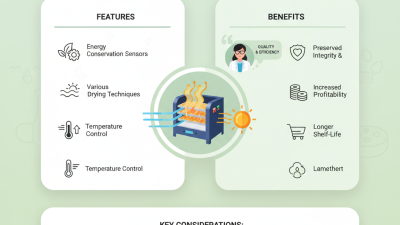
Choosing the right vegetable dryer machine can significantly impact your culinary endeavors. When considering features, start with capacity. How much produce will you typically dry at once? A larger capacity can save time, but ensure it fits your available space. Next, think about temperature settings. Precise controls allow for drying various vegetables at their optimal temperatures, enhancing flavors and preserving nutrients.
Energy efficiency is another crucial factor. A machine that minimizes energy consumption can reduce operating costs. Look for models with timers and automatic shut-off features. They ensure that your vegetables dry without burning or over-drying. Additionally, consider the design and materials. A durable and well-designed machine will offer better performance and longevity. However, balance this against your budget; sometimes, cheaper models can still do a decent job, albeit with less efficiency or longevity.
User reviews can also provide insights into a machine's performance. They often highlight potential issues or unexpected benefits. Keep in mind that no machine is perfect. Some users have reported uneven drying or noise levels. Reflect on these factors and weigh them against your specific needs. Ultimately, choosing a vegetable dryer requires careful consideration of these key features to achieve the best results.
Comparison of Key Features in Vegetable Dryer Machines (2026)
Top Brands and Models for Vegetable Drying in 2026
In 2026, choosing the best vegetable dryer machine requires understanding the top brands and their models. The global vegetable drying market is expected to grow significantly, with a projected CAGR of 7.5% from 2023 to 2028, according to recent industry reports. Buyers are looking for efficient, energy-saving options that maintain quality. The best models feature advanced dehydration technology, allowing for quick and uniform drying.
Consider energy consumption when selecting a machine. Some machines boast reduced energy costs, saving you money in the long run. Users have reported that machines with adjustable temperature settings provide better control over the drying process. This can impact the taste and nutritional value of dried vegetables.
Tip: Always check the user reviews on these models. They can provide insights into performance and durability. While many products sound great in descriptions, real-world performance may vary. Additionally, keep an eye on warranty terms. A strong warranty can reflect the manufacturer's confidence in their product. Taking time to research can help avoid purchasing errors that lead to dissatisfaction.
Environmental Impact and Sustainability of Vegetable Dryers
The environmental impact of vegetable dryers is a pressing concern for the industry. These machines generally use electrical energy, which can contribute to carbon emissions. According to a report by the Food and Agriculture Organization (FAO), approximately 1.3 billion tons of food are wasted annually due to inefficiencies in food processing, including drying. This figure illustrates the need for more efficient drying technology that minimizes energy consumption.
Sustainability metrics play a vital role in choosing vegetable dryers. Recent studies indicate that energy-efficient models can reduce energy usage by up to 40%. This efficiency translates into lower operational costs and a smaller carbon footprint. Additionally, many manufacturers are adopting eco-friendly materials in their designs. This shift not only supports the environment but also enhances product longevity.
However, challenges remain in achieving sustainability. The initial investment for eco-friendly dryers can be high, and many buyers may hesitate due to cost concerns. It is crucial to weigh these initial expenses against long-term savings and environmental benefits. As industry standards evolve, it will be interesting to see how manufacturers address these hurdles while promoting sustainable practices.