Leave Your Message
AI Helps Write

Top 10 Benefits of Inverter Heat Pump for Global Buyers?

Inverter Heat Pumps are revolutionizing the heating and cooling industry. With rising energy costs and environmental concerns, their benefits are becoming increasingly clear. According to a report from the International Energy Agency, using inverter technology can improve energy efficiency by up to 50%. This is a significant reduction in energy use, particularly for homeowners in diverse climate zones.

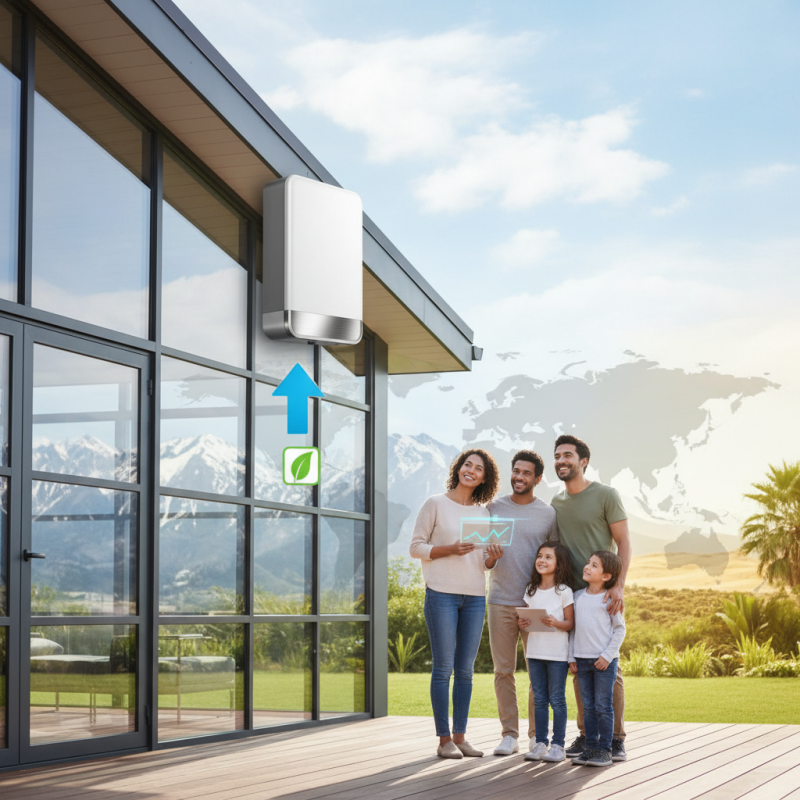
Many global buyers are shifting towards Inverter Heat Pumps. Their efficiency leads to lower utility bills, making them a smart long-term investment. In a world where climate change is pressing, these systems also reduce greenhouse gas emissions. The flexibility of inverter heat pumps allows them to operate in a wider range of temperatures. This adaptability is critical for changing climates and market needs.

Yet, there are challenges. Installation can be complex and requires skilled professionals. Not every region has access to these systems yet. Buyers need to consider local resources and support. Inverter Heat Pumps may be a game changer, but awareness and education about their advantages are still lacking. Understanding these aspects is essential for informed decision-making.
Top 10 Benefits of Inverter Heat Pump for Global Buyers?

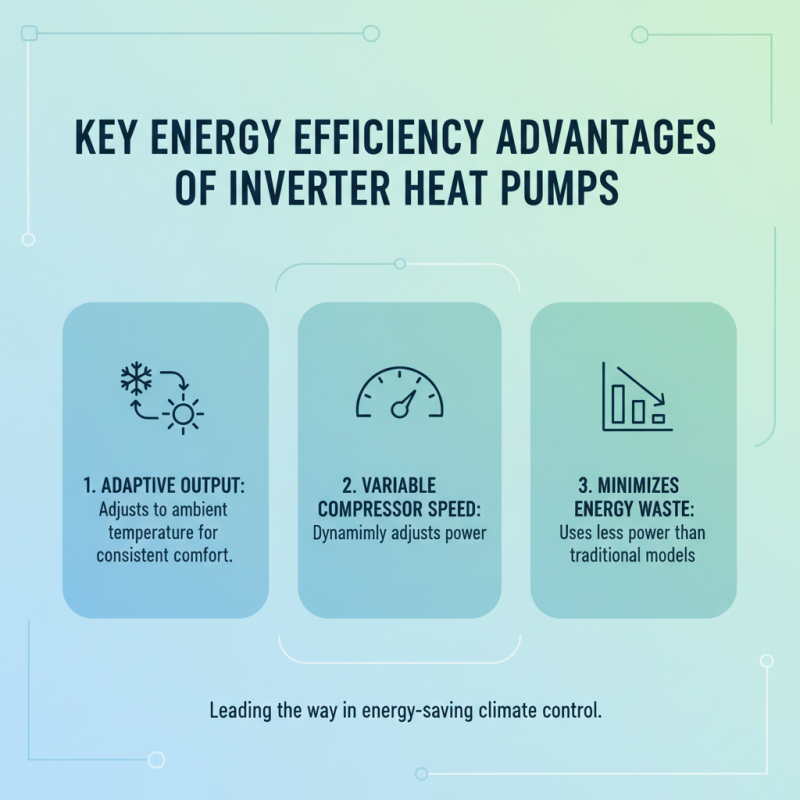
Key Energy Efficiency Advantages of Inverter Heat Pumps

Top 10 Benefits of Inverter Heat Pump for Global Buyers?

Inverter heat pumps are leading the way in energy efficiency. These systems adapt their output according to the ambient temperature, maintaining comfort while using less energy. Unlike traditional models, inverter heat pumps can adjust their compressor speed. This dynamic adjustment minimizes energy waste.

A key advantage is their ability to operate quietly and smoothly. This reduces noise pollution, making them suitable for residential areas. Users often notice a significant decrease in their energy bills. Lower operational costs lead to a faster return on investment. Energy-efficient appliances can be beneficial for the environment, reducing carbon footprints.

While inverter heat pumps offer numerous benefits, they also come with challenges. Initial costs can be higher compared to conventional systems. Buyers should assess their long-term savings versus upfront investment. Understanding local climate conditions is crucial for optimal performance. Ultimately, thorough research and planning can help bridge the gap between these energy-efficient solutions and consumer expectations.
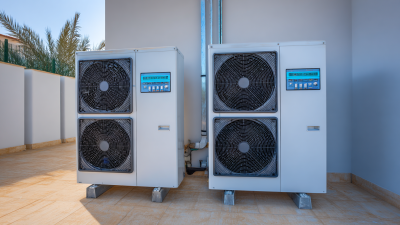
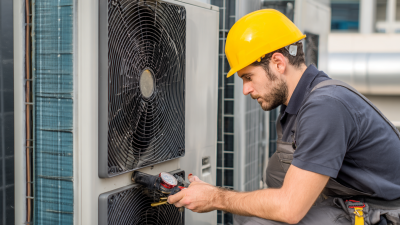
Cost Savings Through Reduced Energy Consumption

Inverter heat pumps are gaining attention for their cost-saving potential. They adjust their power output based on the heating or cooling demand. This feature makes them significantly more efficient than traditional systems. By consuming less energy, these pumps can lead to noticeable savings on utility bills.

The technology utilizes variable-speed compressors, which allows for precise temperature control. This means they can operate more efficiently during partial load conditions. In many cases, homes can see reductions in their energy consumption by up to 50%. This not only benefits individual users but also helps in reducing the overall carbon footprint.

However, there are challenges to consider. Initial installation costs can be higher compared to conventional heat pumps. Homeowners might hesitate to invest upfront, even with long-term savings. Additionally, the effectiveness of inverter heat pumps can vary based on climate and home insulation. Understanding these nuances is key for buyers assessing their options.

Top 10 Benefits of Inverter Heat Pump for Global Buyers

This bar chart illustrates the top 10 benefits of inverter heat pumps for global buyers, highlighting their advantages in energy efficiency, cost savings, and environmental friendliness. Each benefit is rated on a scale from 1 to 10 based on its importance and impact.

Versatile Applications for Residential and Commercial Use

Inverter heat pumps have become popular for various applications in residential and commercial settings. They adapt smoothly to heating and cooling needs. This flexibility makes them highly beneficial for diverse environments. Homeowners often find these systems useful for year-round comfort. They maintain consistent temperatures, significantly improving indoor air quality.

For businesses, energy efficiency is a crucial factor. Inverter heat pumps can lower energy costs while providing reliable performance. They work well in both small shops and large office buildings. This scalability is appealing for commercial buyers. However, the initial installation cost can be a concern for some. Long-term savings often outweigh this, but careful budgeting is essential.

In residential use, these heat pumps can integrate seamlessly into existing systems. They can also enhance modern homes with smart technology. Yet, not every installation is straightforward. Some buildings may need additional modifications, which can complicate the process. Understanding these potential challenges upfront can help users make informed decisions.

Enhanced Comfort and Temperature Control Features

Inverter heat pumps offer advanced features that significantly enhance comfort and temperature control in homes. Unlike traditional heating systems, these pumps adjust their output to match the required heating or cooling load. This ability leads to more stable indoor temperatures. Studies show that inverter heat pumps can maintain temperature fluctuations within a narrow range, often less than 1°C.

Moreover, these systems operate quietly, which contributes to a peaceful indoor environment. Research indicates that inverter heat pumps can reduce noise levels by 25% compared to non-inverter models. The technology also allows for better distribution of air, preventing hot or cold spots. This feature is crucial in larger spaces where comfort may be uneven.

Energy efficiency is another strong point. The International Energy Agency reports that inverter heat pumps can be 30% to 50% more efficient than conventional systems. These heat pumps utilize variable speed compressors, reducing energy consumption substantially. However, users must be aware of the initial installation costs and maintenance. Regular servicing is necessary for optimal performance, and neglecting this can lead to decreased efficiency over time. This aspect requires careful planning from potential buyers.

Top 10 Benefits of Inverter Heat Pump for Global Buyers

Benefit Description Impact
Energy Efficiency Inverter heat pumps adjust their operation based on demand, leading to reduced energy consumption. Lower utility bills and reduced carbon footprint.
Enhanced Comfort Provides consistent temperature control, eliminating hot and cold spots in a home. Improved indoor comfort levels.
Environmental Benefits Uses refrigerants that have lower global warming potential compared to traditional heat pumps. Decreased environmental impact.
Low Noise Operation Operates quietly, providing a peaceful indoor environment. Better living conditions, especially in residential areas.
Longer Lifespan Inverter technology puts less stress on components, enhancing durability. Reduced replacement costs over time.
Flexible Installation Can be installed in a variety of settings, making it highly adaptable. Increased options for homeowners.
Year-Round Use Functions for both heating and cooling, ensuring comfort in all seasons. All-season climate control.
Smart Technology Often equipped with smart features for remote management and monitoring via apps. Convenience and improved efficiency.
Safety Features Designed with multiple safety mechanisms to prevent overheat and electrical issues. Reduction in risk of accidents.
Government Incentives Eligible for various rebates and tax incentives in many regions. Financial benefits for users.

Environmental Benefits and Reduced Carbon Footprint

Inverter heat pumps are gaining recognition for their significant environmental benefits. These systems are designed to efficiently transfer heat, using less energy than traditional heating and cooling units. According to the International Energy Agency, heat pumps can reduce carbon emissions by up to 50% compared to fossil fuel boilers, making them a greener option for consumers.

Moreover, inverter technology allows heat pumps to adjust their output based on the specific conditions. This feature leads to a more stable and comfortable indoor environment. Reports indicate that using inverter heat pumps can decrease energy consumption by as much as 30% annually. This means lower energy bills and a reduced carbon footprint.

Despite the advantages, some challenges remain. Consumers may still face barriers such as higher upfront costs and installation complexities. Additionally, many may not fully understand the long-term savings potential. Awareness and education about inverter heat pumps are crucial for maximizing their environmental advantages. As more people embrace these systems, the cumulative effect could significantly impact global carbon emissions.