How to Choose the Best Grain Dryer for Your Needs?
Choosing the right grain dryer can be a daunting task. With various models and features, it's vital to find one that meets specific needs. According to John Smith, a recognized expert in the grain drying industry, "Selecting a grain dryer is as much about understanding your crop as it is about the technology itself." This perspective highlights the need for careful consideration.
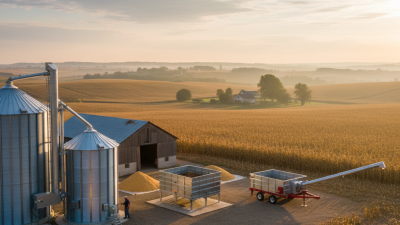
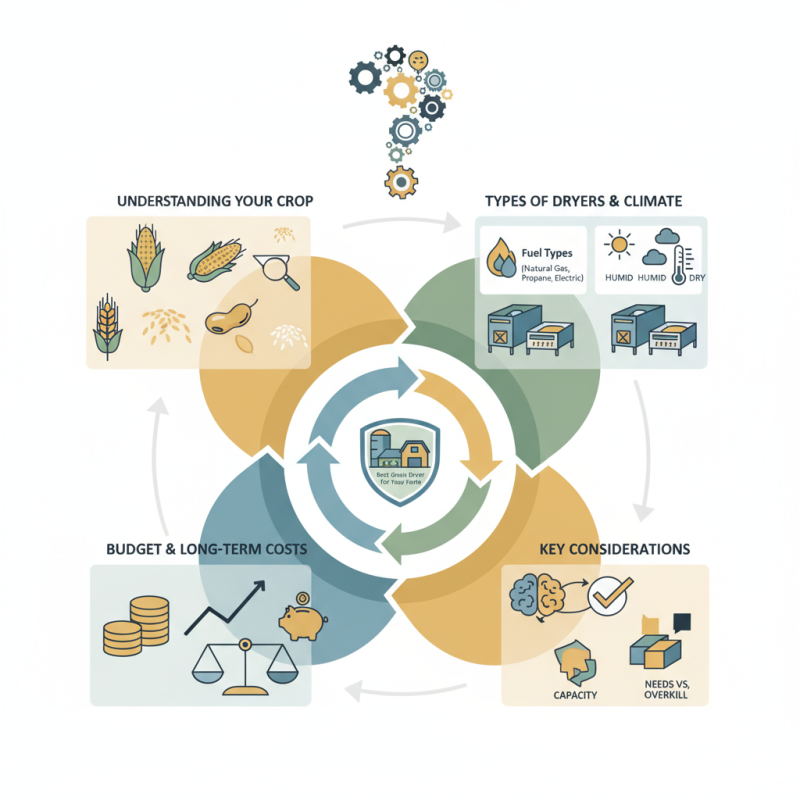
Grain dryers come with different capacities, fuel types, and drying technologies. It’s essential to analyze the characteristics of the grains you intend to dry. Create a list of the grains you grow. This will help determine the appropriate grain dryer. Consider the climate in your region as well. Some dryers perform better in humid conditions, while others excel in dry environments.
In addition, think about your budget and long-term costs. More expensive models may offer advanced features but can lead to overkill for smaller operations. Reflecting on these factors helps avoid common pitfalls in purchasing decisions. Striking a balance between need and technology is key in choosing the best grain dryer for your farm.
Understanding the Basics of Grain Drying Systems
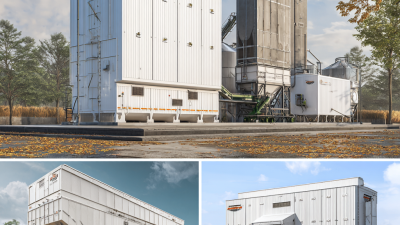
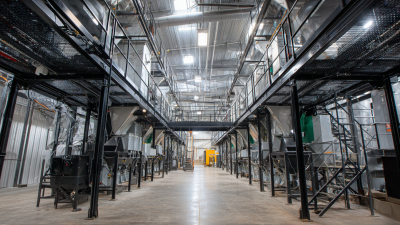
Understanding grain drying systems is essential for effective crop management. Grain dryers reduce moisture content, which prevents spoilage. They come in various types, including batch and continuous flow systems. Each type has unique features suited to different farming operations.
When selecting a grain dryer, consider capacity and energy efficiency. A larger capacity may streamline operations. However, energy costs can quickly add up. It's crucial to find a balance that meets your volume needs without excessive spending. Understanding your local climate can also play a role. In humid regions, effective drying will be more challenging.
Regular maintenance of grain dryers is vital for optimal performance. Dust build-up can reduce efficiency and increase fire risk. Inspecting components and cleaning systems should be routine. Some may overlook this, leading to reduced output and safety hazards. Always engage with local experts for advice tailored to your specific situation. This ensures you implement the best practices effectively.
Types of Grain Dryers and Their Mechanisms
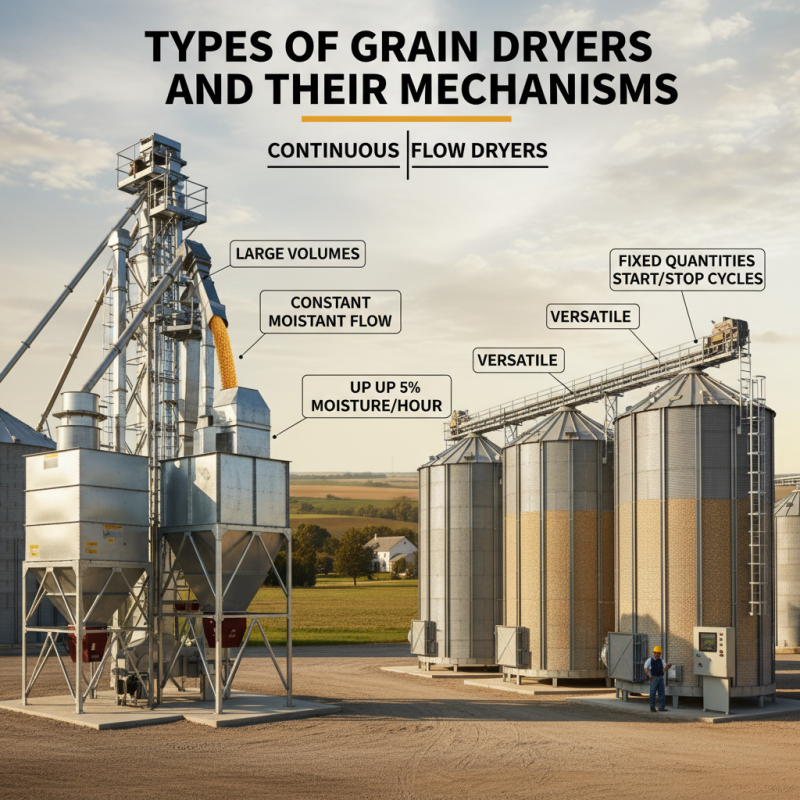
Selecting the right grain dryer involves understanding different types and their mechanisms. There are primarily two categories: continuous flow dryers and batch dryers. Continuous flow dryers excel in processing large volumes. They dry grain as it flows through the system, resulting in efficient moisture removal. According to a recent industry report, these dryers can achieve moisture content reduction by up to 5% per hour.
Batch dryers, on the other hand, offer specific drying solutions for smaller quantities. They operate by heating grain in batches. This method can be less efficient in terms of time, but it gives farmers flexibility. Some studies indicate that the average drying efficiency for batch dryers ranges around 40% to 60%, depending on the moisture content of the grain.
When choosing a dryer, consider your operational scale and moisture removal needs. A misjudgment here can lead to inefficient drying or even grain spoilage. The right choice impacts crop quality and profitability. Investing in an appropriate dryer must align with specific farming practices and regional climate conditions. Always keep in mind that thorough research and expert consultation can enhance decision-making.
Key Factors to Consider When Selecting a Grain Dryer
Choosing the right grain dryer involves understanding several key factors that directly influence efficiency and effectiveness. One of the most critical aspects is the drying capacity. According to industry reports, a drier should handle at least 1% moisture removal per hour for optimal performance. This means it needs to match your operation's scale, whether small or large.
Energy efficiency is another vital consideration. Data suggests that energy costs can account for up to 25% of the total drying expenses. Selecting a grain dryer with high thermal efficiency can decrease energy consumption significantly. Additionally, think about the drying method. Continuous flow dryers tend to be more efficient for larger operations, while batch dryers might be useful for smaller farms.
User-friendly controls are essential for operations. Complex systems can lead to errors and inefficiencies. Mismanagement during the drying process can result in reduced grain quality. Ensuring that your team can operate the dryer effectively is crucial.
Investing in training or seeking models with intuitive interfaces is wise. Remember, the choice of a grain dryer impacts your harvest's market value. Each decision should reflect both efficiency and practicality.
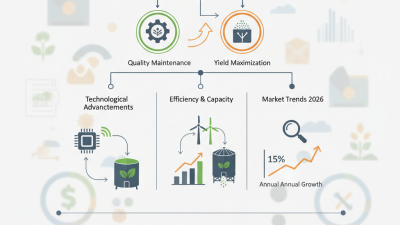
Evaluating Efficiency and Capacity for Your Operations
When evaluating grain dryers,
efficiency and
capacity are crucial.
The efficiency of a dryer determines how fast and effectively it can reduce moisture content.
Look for models that use energy optimally. An efficient dryer saves time and reduces costs.
Some dryers may seem efficient but may lack durability. Assess the technology used in these models.
Advanced technology can enhance performance but may require maintenance.
Capacity is equally important. The right capacity ensures you can dry your harvest in a timely manner.
A dryer with insufficient capacity could leave you with wet grain. Size your dryer based on your operation’s scale and
seasonality. Excessively large units can waste energy and increase operational costs.
Many users overlook the dryer’s adaptability.
Some models perform well under certain conditions but struggle with others.
Always consider the weather patterns in your area.
This affects the drying process. Regular evaluation of your dryer’s performance can lead to better operational decisions.
Don't ignore the experience of other operators; seek their insights for better choices.
Budgeting and Cost Considerations for Grain Dryers
When considering a grain dryer, budgeting is crucial. Understand that grain dryers come with various costs, from initial purchase to ongoing maintenance. Analyze your budget carefully. Don't overlook hidden fees, such as installation and utility expenses. A more expensive model might save money in the long run through efficiency.
Tips: Evaluate your grain drying needs first. Consider the volume of grains you typically handle. This will help you select a dryer that meets your scale without overspending. Look for used options, as they can be reliable and significantly cheaper.
Consider the energy source you will use. Electric, gas, or propane models vary in operating costs. Choose a model that aligns with your local energy prices. Researching local options can provide insight into overall cost-effectiveness. Always factor in the long-term benefits of efficiency versus the initial investment. Reflect on your choices and adjust your plan as needed to ensure you stay within budget.
How to Choose the Best Grain Dryer for Your Needs? - Budgeting and Cost Considerations for Grain Dryers
| Grain Dryer Type |
Average Cost ($) |
Drying Capacity (Bushels/hour) |
Energy Source |
Maintenance Cost (Annual, $) |
| Continuous Flow |
15,000 |
50 |
Natural Gas |
1,000 |
| Batch Dryer |
10,000 |
30 |
Propane |
800 |
| Mixed-Flow Dryer |
12,000 |
40 |
Electric |
900 |
| Portable Dryer |
8,000 |
15 |
Diesel |
600 |