How to Choose the Right Compressed Air Heater for Your Needs?
Choosing the right compressed air heater is crucial for various industrial applications. In recent years, the demand for efficient heating solutions in the compressed air sector has surged, with a projection of growth by approximately 5% annually through 2027. Proper heating affects performance and energy consumption significantly. A well-chosen compressed air heater can enhance efficiency, reducing energy costs by nearly 30%, according to industry data.
Understanding the specific requirements of your operation is vital. Factors like the volume of air, temperature needs, and humidity levels play a role in selecting the appropriate system. Industry reports emphasize that improper selection can lead to decreased productivity and equipment failures. Some manufacturers allow for customization, but many users overlook this option, missing out on potential benefits.
In conclusion, investing time in choosing a compressed air heater is essential. It ensures consistent performance and reliability. While some hope for a one-size-fits-all solution, the reality may require more nuanced approaches. Reflecting on your needs and reviewing available options can lead to better decisions.
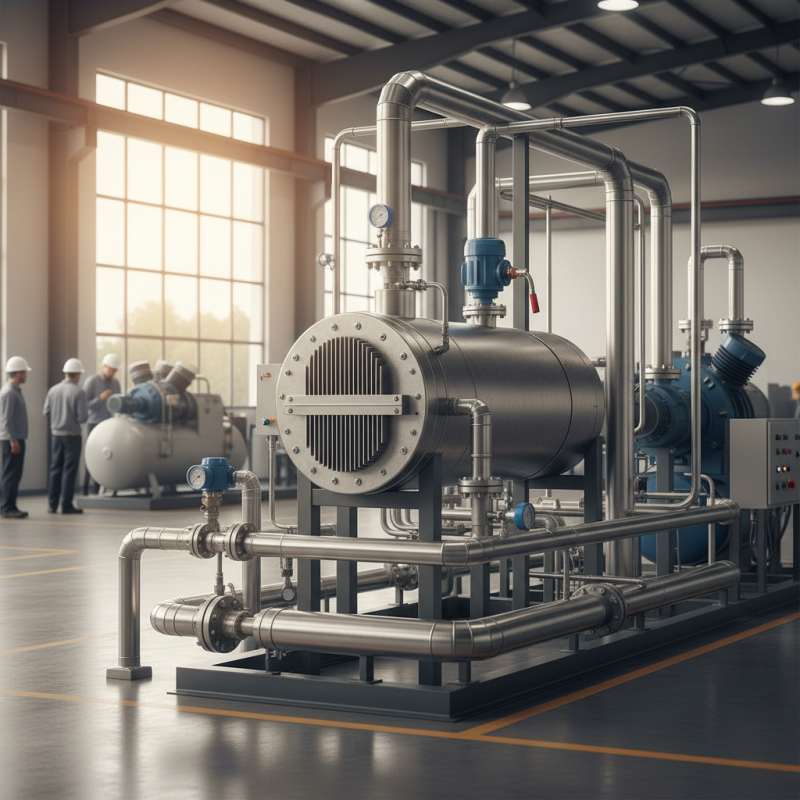
Understanding the Basics of Compressed Air Heating Systems
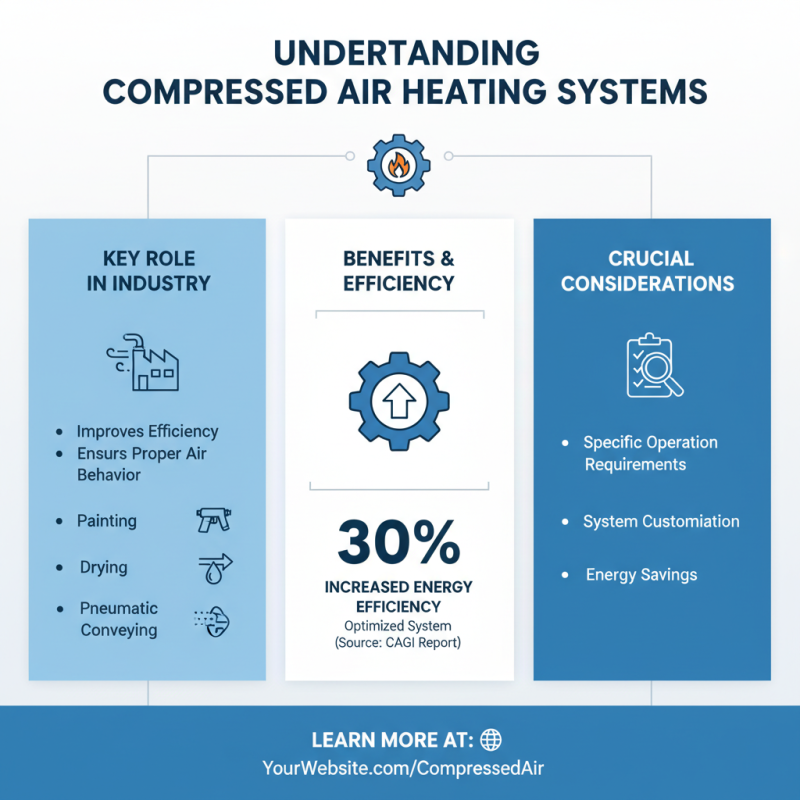
Compressed air heating systems play a crucial role in various industrial applications. They improve efficiency by ensuring that air behaves properly during processes like painting, drying, and pneumatic conveying. Understanding the specific requirements of your operation is essential. According to a report by the Compressed Air and Gas Institute, an optimized heating system can increase energy efficiency by up to 30%.
Consider factors such as air flow rates, temperature requirements, and environmental conditions when evaluating compressed air heaters. Proper selection can lead to significant cost savings in energy consumption. Additionally, heater types vary widely, from electric to gas-fired systems, each with its benefits.
**Tip:** Regularly evaluate the insulation of your air system. Poor insulation can significantly decrease heating efficiency.
Reflect on your current heating solutions and identify any inefficiencies. You may need to upgrade your system to match evolving industry standards. The right heater can enhance productivity and lower operational costs when chosen carefully.
**Tip:** Always check for compatibility between your heating system and existing infrastructure. Mismatches can lead to performance issues.
Selecting the appropriate compressed air heater is not just about immediate needs. It's also about future-proofing your operations against rising energy costs and regulatory changes.
Identifying Your Specific Heating Requirements
When identifying your specific heating requirements for a compressed air heater, start by assessing the operational environment. Is it indoors or outdoors? Consider temperature fluctuations that can affect performance. Different settings demand various heater capacities. A consistent, moderate temperature setting will require a different heater than variable conditions.
Next, think about the purpose of the heated air. Is it for drying, material processing, or equipment protection? Knowing the application helps narrow down the options. For instance, drying applications typically require faster and more intense heat. Evaluate the air flow needed as well. A higher flow rate might call for a more robust heater.
Lastly, consider the energy source available. Natural gas, electricity, or diesel may all be options, but each has advantages and downsides. Misjudgment in this area can lead to inefficiencies and higher costs. Ensure the heater aligns with your energy infrastructure. Reflect on your unique requirements, as these factors lead to better, more tailored heating solutions.
Compressed Air Heater Efficiency Comparison
Evaluating Different Types of Compressed Air Heaters
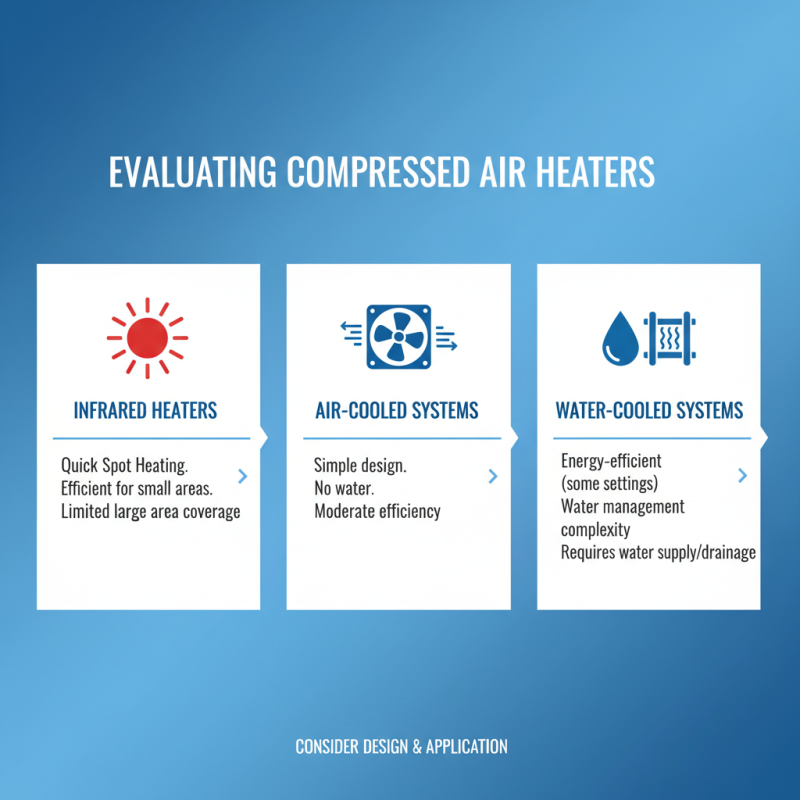
When evaluating different types of compressed air heaters, consider their design and application. Infrared heaters, for instance, provide quick heating. They are efficient for spot heating but might not cover large areas effectively. Air-cooled and water-cooled systems have their own merits. Water-cooled units can be more energy-efficient in some settings. However, they may introduce water management challenges.
Another key aspect is the heater's capacity. Smaller units might suffice for low-demand applications. But in industrial settings, larger systems are essential. The cost also plays a role. Sometimes, cheaper options compromise quality. Investing in reliable heaters can save more in the long run. It’s crucial to evaluate what suits your operational needs best.
Do not overlook the maintenance aspect of your chosen heater. Some units require frequent checks. They can lead to downtime and unexpected expenses. Consider your team's ability to manage such systems. A reliable heating system contributes greatly to productivity. Each type has pros and cons. Thoroughly assessing these aspects ensures you'll make an informed decision. Every choice has its challenges and opportunities.
Key Features to Consider When Choosing a Compressed Air Heater
When choosing a compressed air heater, several key features should be considered. The heater's capacity is crucial. It should match your specific airflow requirements. Insufficient heating can lead to inefficiencies and operational issues. Look for models with adjustable temperature settings. This flexibility can help in different production processes.
Another aspect to focus on is the material construction. Heaters made from durable materials are more reliable. They tend to have extended lifespans. A heater that can withstand high temperatures often performs better. Energy efficiency is also vital. Some heaters consume more energy than others, impacting operational costs.
Consider the ease of maintenance. A user-friendly design can save valuable time. Check if the unit requires specialized tools for upkeep. This might complicate repairs and increase downtime. Finally, assessing safety features is non-negotiable. Overheating protection and automatic shut-off are essential for preventing accidents. Each of these factors contributes to reliable performance in your specific application, ensuring your investment is sound.
Tips for Installation and Maintenance of Compressed Air Heaters
When choosing a compressed air heater, installation is crucial. Proper setup ensures efficiency and reliability. A survey conducted by the Compressed Air and Gas Institute (CAGI) found that improper installation can decrease efficiency by up to 30%. Maintaining the correct airflow and temperature is essential. The heater should be positioned away from heat sources and moisture. Insulating piping can also prevent heat loss, further enhancing performance.
Maintenance is equally important. Regular checks prevent costly repairs. According to a report by the International Society of Automation, 70% of failures in compressed air systems are due to improper maintenance. Cleaning filters and checking for leaks should occur monthly. Ensure that all electrical connections are secure. This not only extends the life of the heater but also promotes safer operations. Many overlook these aspects, leading to more significant issues down the road. Keeping a log of maintenance activities can help identify recurring problems.