How to Choose the Right Heat Pump for Your Home?
Choosing the right heat pump for your home can be challenging. With so many options, it's crucial to understand your specific needs. According to Sarah Thompson, a recognized expert in the HVAC industry, "Selecting a heat pump involves more than just price—energy efficiency and size matter too."
Heat pumps are versatile and can provide both heating and cooling. They function by transferring heat rather than generating it, making them energy-efficient. However, not all heat pumps work well in every climate. For example, a unit suitable for a milder area may struggle in harsher conditions.
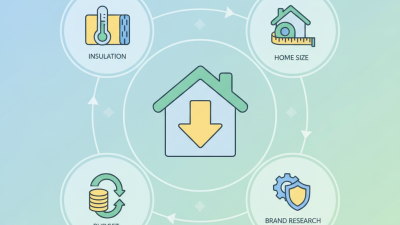
Homeowners need to assess factors like the size of their home and existing insulation. A mismatch can lead to discomfort and increased costs. Also, installation quality plays a significant role in performance. Prioritizing these details can lead to better long-term satisfaction with your heat pump choice.
Understanding the Different Types of Heat Pumps Available
When selecting a heat pump, understanding the types available is key. There are primarily three types: air-source, ground-source, and water-source heat pumps. Air-source heat pumps extract heat from the outside air, even in low temperatures. They are widely used, accounting for nearly 70% of all heat pump installations in the U.S. This makes them a popular choice for moderate climates.
Ground-source heat pumps, also known as geothermal systems, utilize the earth's stable underground temperature. Their efficiency is impressive, achieving up to 400% heating efficiency. However, installation can be costly. Reports reveal the upfront costs can be high, potentially between $10,000 and $30,000, depending on soil conditions and system design.
Water-source heat pumps are less common but can be effective in specific situations. They rely on a body of water, which can provide stable temperatures year-round. Yet, their application is limited to properties near lakes or large bodies of water. Given the variety, assessing your local climate and energy needs is crucial. Each type has its pros and cons, requiring careful consideration before making a commitment.
Evaluating Your Home's Heating and Cooling Needs
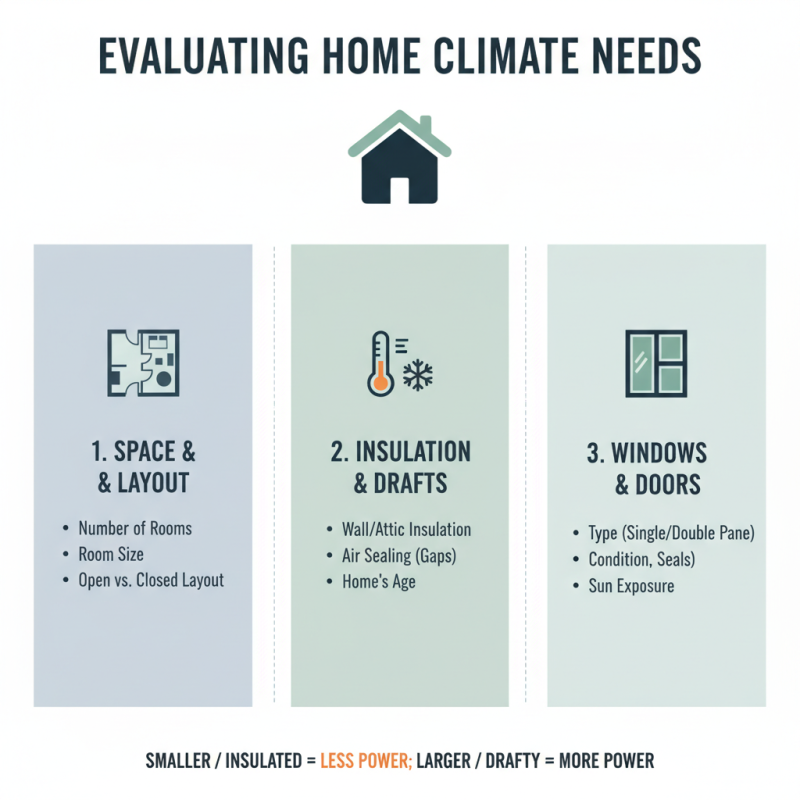
Evaluating your home’s heating and cooling needs requires a clear understanding of your space. Consider the number of rooms and their layouts. A small, well-insulated home may not need as powerful a heat pump as a larger, drafty one. Pay attention to windows and doors; they can significantly affect your home's temperature.
Next, assess your climate. If you live in an area with extreme temperatures, choose a heat pump that can handle those conditions. Look into the local temperature ranges. Consider factors like humidity levels as well. These elements influence the efficiency of a heat pump.
You should also think about your lifestyle. If you’re often at home, you might want a system that provides consistent comfort. Check for specific features, like variable speed settings, which adjust to your usage patterns. Each choice has its ups and downs. Balancing cost and efficiency can be tricky, but it's crucial for long-term satisfaction.
Considering Energy Efficiency Ratings and Costs
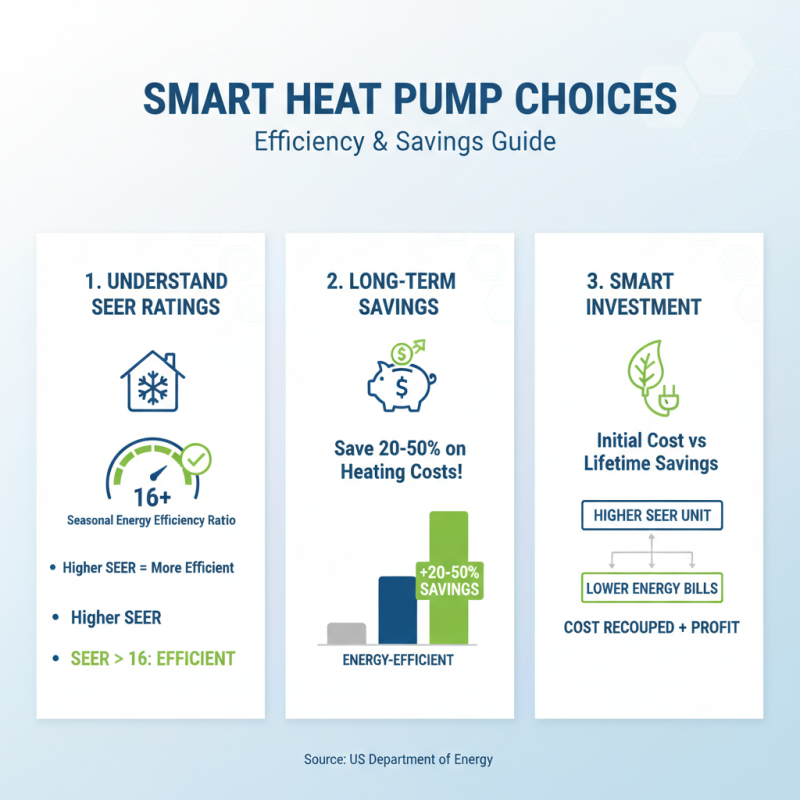
Choosing a heat pump involves careful evaluation of energy efficiency ratings and costs. According to the U.S. Department of Energy, selecting a unit with a higher Seasonal Energy Efficiency Ratio (SEER) can significantly impact long-term energy consumption. A SEER rating above 16 is generally considered efficient. Homeowners may save anywhere from 20% to 50% on heating costs by investing in energy-efficient models.
Beyond efficiency ratings, upfront costs are a crucial consideration. The initial investment for a high-efficiency heat pump can range from $3,000 to $8,000. However, federal incentives and rebates may help offset these costs. Some reports suggest that a well-chosen heat pump pays for itself in energy savings within five to ten years. It's vital to analyze your local climate as well. In some areas, a high-efficiency model may not provide a satisfactory return on investment due to milder winters.
Evaluating your specific needs is necessary. For example, a larger home might require a more powerful unit, driving up both initial costs and future energy expenses. Balancing energy efficiency with upfront costs can be tricky. Some homeowners might regret prioritizing price over efficiency, leading to higher bills and uncomfortable living conditions.
Assessing Installation Requirements and Space Availability
When choosing a heat pump, assessing installation requirements is critical. The space available for the unit can significantly influence performance. According to the U.S. Department of Energy, inadequate space can limit airflow, impacting efficiency and comfort. A properly installed heat pump should have at least 12 inches of clearance around it. This allows for optimal airflow and avoids overheating.
Consider the location of the heat pump as well. It should be placed in an area that is shaded and sheltered from extreme weather conditions. The American Society of Heating, Refrigerating and Air-Conditioning Engineers recommends placing heat pumps on a concrete pad or elevated surface. This protects the unit from floods and other environmental issues.
The size of the indoor unit is also crucial. A unit that is too large could lead to frequent cycling. This often results in higher energy costs and can cause wear and tear. According to the Air Conditioning Contractors of America, improper sizing can reduce efficiency by up to 30%. It's essential to have a professional assessment for accurate sizing. A thorough evaluation can prevent future maintenance problems and is a key factor in extending the unit's lifespan.
How to Choose the Right Heat Pump for Your Home? - Assessing Installation Requirements and Space Availability
| Criteria |
Description |
Space Requirement |
Installation Complexity |
| Type of Heat Pump |
Air-source, ground-source, or water-source heat pumps. |
Moderate - Requires outdoor space for air-source or land for ground-source. |
Moderate installation; requires professional assistance. |
| Heating Capacity |
Measured in BTUs, it indicates the amount of heat output. |
Depends on home size and insulation quality. |
Simple; needs to match with home heating requirement. |
| Energy Efficiency |
Look for high SEER and HSPF ratings. |
No specific space requirement but affects overall system size. |
Simple; more efficient models can be more complex. |
| Climate Considerations |
Choose based on the local climate conditions. |
Varies; some systems are better suited for colder climates. |
Moderate; some models require specific installations. |
| Budget |
Consider both purchase and installation costs. |
Impacts the choice of model and installation type. |
Varies; complex systems may increase installation costs. |
Choosing a Reliable Manufacturer and Installation Service
Choosing a reliable manufacturer for your heat pump is crucial. Look for companies with strong reputations and positive customer reviews. Check sources like online forums and local community boards. A quality manufacturer often offers comprehensive warranties. This assurance reflects their commitment to customer satisfaction.
Installation services also play a significant role. Poor installation can lead to inefficiency or system failures. Always inquire about technician certifications and experience. A certified technician will ensure optimal placement and operation. Ask for references from past clients. Their feedback can offer insights into the installation process and long-term performance.
Consider the long-term relationship as well. A manufacturer with solid support can help you with maintenance and repairs. Reliability is key during peak seasons when you need your heat pump most. Ensure that you feel comfortable with their service process. Trust your instincts. If something feels off, continue your search.