Top Benefits of Air Energy Heat Pumps Why Choose Them?
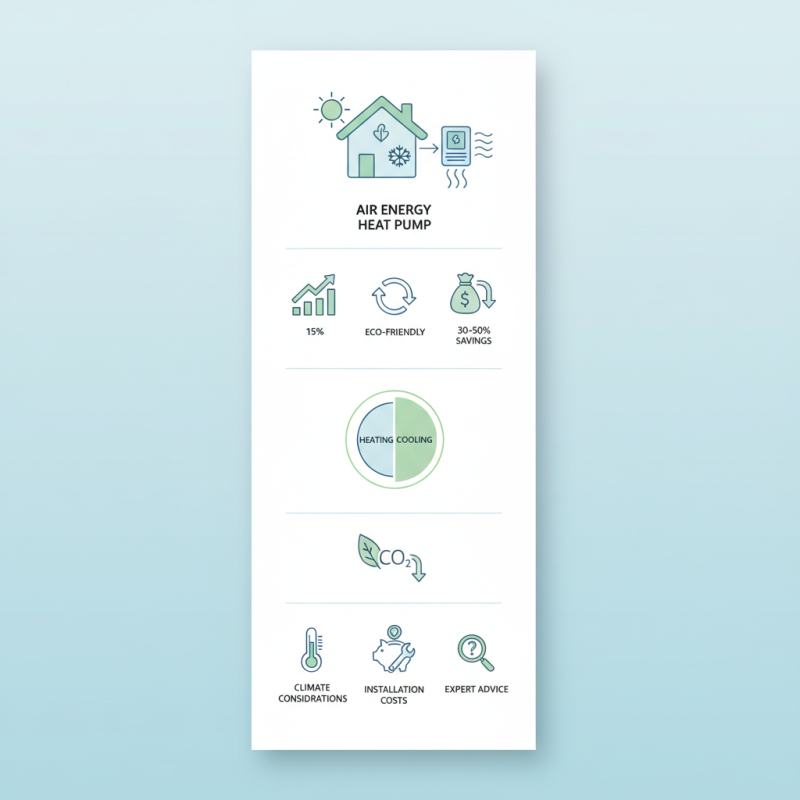
Air Energy Heat Pumps have emerged as a transformative solution in the heating and cooling industry. According to the International Energy Agency, the market for heat pumps has been growing, with a forecasted increase of 15% annually over the next five years. This growth reflects a collective shift towards more sustainable energy practices. Industry expert Dr. Emily Carter states, “Air Energy Heat Pumps not only reduce energy costs but also lower carbon emissions significantly.”
The appeal of Air Energy Heat Pumps lies in their efficiency and versatility. These systems can provide heating in the winter and cooling in the summer, making them ideal for diverse climates. Many homeowners have reported energy savings ranging from 30% to 50% compared to traditional systems. However, it’s essential to consider the installation costs and the potential need for additional insulation in certain homes.
Furthermore, while Air Energy Heat Pumps contribute to environmental goals, their performance can be affected by local climate conditions. Not every system is suited for every region. This means that careful assessment and expert advice are necessary to maximize their benefits. The need for a tailored solution showcases that while Air Energy Heat Pumps offer great potential, there are still challenges to address.
Key Features of Air Energy Heat Pumps
Air energy heat pumps are becoming increasingly popular for their efficient and eco-friendly heating and cooling solutions. A key feature of these systems is their ability to extract heat from the air, even in low temperatures. According to the U.S. Department of Energy, air source heat pumps can reduce energy consumption by up to 50% compared to traditional heating systems. This substantial reduction can significantly lower utility bills, providing both economic and environmental benefits.
Another important aspect is the versatility of air energy heat pumps. They provide both heating and cooling functions, making them suitable for year-round use. This dual capability eliminates the need for separate systems, streamlining installation and maintenance processes. Furthermore, a study by the International Energy Agency notes that air-source heat pumps are increasingly being recognized for their role in achieving climate goals. However, it’s essential to consider local climate conditions, as their efficiency can diminish in extremely cold weather.
While air energy heat pumps have many advantages, there are challenges. Some users report that performance can vary depending on the specific model and installation quality. Additionally, initial costs can be higher compared to conventional systems. This may lead potential buyers to question the long-term value. Evaluating these considerations carefully can lead to a more informed decision, maximizing the benefits these systems offer.
Energy Efficiency and Cost Savings
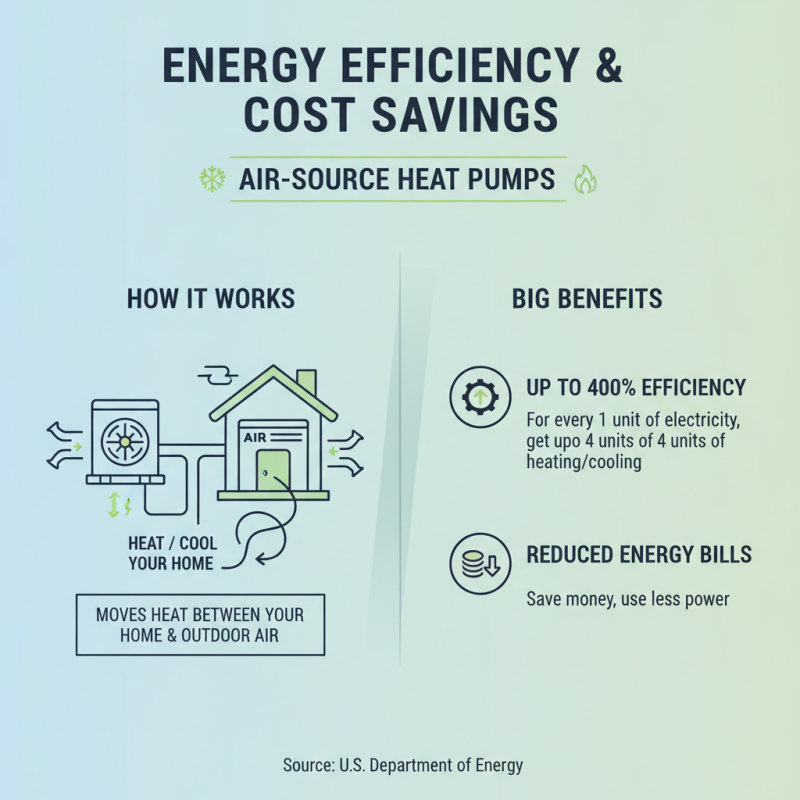
Air energy heat pumps offer significant energy efficiency and potential cost savings for homeowners. These systems can convert energy from the air outside to heat or cool your home. According to the U.S. Department of Energy, air-source heat pumps can achieve efficiencies of 300% to 400%. This means for every unit of electricity consumed, they can deliver up to four units of heating or cooling. This level of efficiency can lead to reduced energy bills.
Homeowners can save approximately $500 annually on heating and cooling costs by using these systems. The Energy Star program highlights that replacing traditional HVAC systems with air energy heat pumps could reduce emissions by up to 2,000 pounds of carbon dioxide per year for an average home. However, it’s important to consider local climate conditions and energy prices. Some installations may not achieve the same efficiency levels in extreme weather.
Many users find themselves reflecting on the upfront costs versus long-term gains. While the initial investment might be higher than traditional systems, the reduction in energy bills can offer a return on investment over time. The payback period varies, with estimates ranging from five to ten years. Evaluating local incentives or rebates can further enhance financial savings. Balancing these variables is key to making an informed decision.
Environmental Benefits of Using Air Energy Heat Pumps
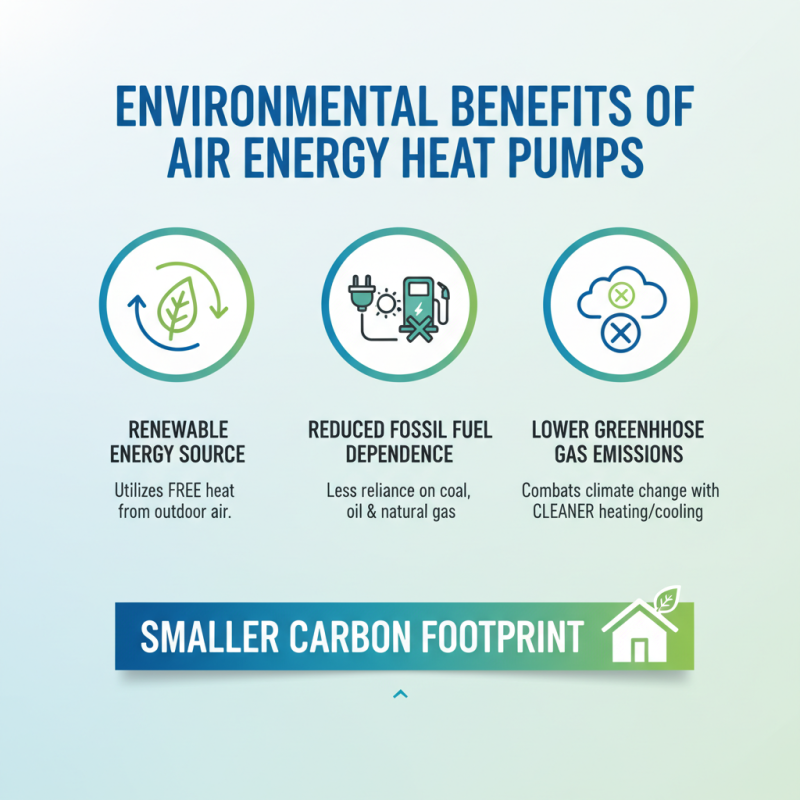
Air energy heat pumps offer significant environmental benefits that are often overlooked. These systems use renewable energy from the air, reducing reliance on fossil fuels. They convert outdoor air into heating and cooling energy, which helps cut greenhouse gas emissions. This process leads to a smaller carbon footprint compared to traditional heating systems.
Moreover, air energy heat pumps operate efficiently, minimizing energy consumption. This efficiency means they require less electricity to achieve the same heating or cooling output. As a result, they contribute to lower energy bills for households. However, the initial installation cost can be a barrier for some users. Understanding the long-term savings can help justify this investment.
It's worth noting that air energy heat pumps perform best in moderate climates. In extremely cold temperatures, their efficiency can decrease. Homeowners must weigh these factors when making a decision. While these systems are advantageous, some challenges still exist in specific environments. Balancing efficiency and climate conditions is essential for maximizing their benefits.
Versatility in Heating and Cooling Applications
Air energy heat pumps are gaining popularity due to their versatility. They effectively provide both heating and cooling in various settings. This dual function is a significant advantage for homeowners and businesses alike. In the winter months, these heat pumps extract heat from the outside air. This heat warms the indoor space efficiently. Conversely, in summer, the system reverses, delivering cool air indoors. This capability means one system can handle diverse climate needs.
Many users appreciate the reliability of air energy heat pumps. They require minimal maintenance compared to traditional heating systems. This aspect is crucial for busy families or commercial settings. Additionally, these pumps work well in different types of buildings. Whether it is a small apartment or a large office complex, their adaptability shines. However, it’s important to consider local climate factors. In extreme cold regions, performance may diminish.
Anecdotal observations show that some users idealize energy savings but sometimes overlook initial installation costs. A thoughtful approach can yield better long-term benefits. Balance between upfront expenses and future savings may seem tricky. Potential buyers should thoroughly assess their specific needs. Doing so will lead to a more informed decision. Striving for understanding can greatly enhance satisfaction with this technology.
Top Benefits of Air Energy Heat Pumps
Maintenance and Longevity of Air Energy Heat Pumps
Air energy heat pumps offer numerous benefits, especially when considering their maintenance and longevity. These systems provide efficient heating and cooling, with reports indicating a 50% reduction in energy consumption compared to traditional heating systems. Regular maintenance is crucial for optimizing their performance. A well-maintained heat pump can last up to 15 years, while neglect can shorten its lifespan significantly.
Typically, checking filters and cleaning coils should be a bi-annual routine. This can prevent airflow restrictions that decrease efficiency. Another critical factor is ensuring that the outdoor unit is free of debris and has adequate clearance. Neglecting these tiny details can lead to increased wear and tear.
Tips: Schedule professional maintenance at least once a year. This will ensure that any potential issues are identified early. Additionally, monitor the system's refrigerant levels. Low refrigerant can lead to decreased efficiency and system failure. Regularly inspecting the ductwork can also prevent potential damages. Remember, the cost of maintenance is often lower than the price of a full replacement.