Why choose Instant Electric Water Heaters when traditional storage tanks remain common? The answer begins with everyday comfort. Imagine opening a bathroom tap and receiving hot water within seconds, without waiting for a large tank to refill. Instant Electric Water Heaters heat water only when demand occurs. This design can reduce standby energy loss and free valuable floor space.
Small homes benefit greatly.
In my experience, installation planning matters as much as the heater itself. Water flow, incoming temperature, electrical capacity, and household habits all affect performance. A compact unit may suit one shower, but a busy family could need a higher-capacity model or multiple units. Professional installers should check wiring, circuit protection, grounding, and local building requirements before connection. These details are not exciting, but they protect reliability.
Efficiency is not automatic. It depends on correct sizing and sensible temperature settings. Running several showers simultaneously may produce disappointing results. That is the part many advertisements overlook. Independent efficiency labels, manufacturer specifications, warranty terms, and qualified technical advice provide stronger evidence than attractive claims. Some users may also notice changes in water pressure or temperature stability, especially in older buildings.
The best choice is practical, not fashionable. Instant Electric Water Heaters can deliver efficient, space-saving hot water, yet they require suitable electrical infrastructure and realistic expectations. Careful assessment makes the investment safer, clearer, and more dependable.
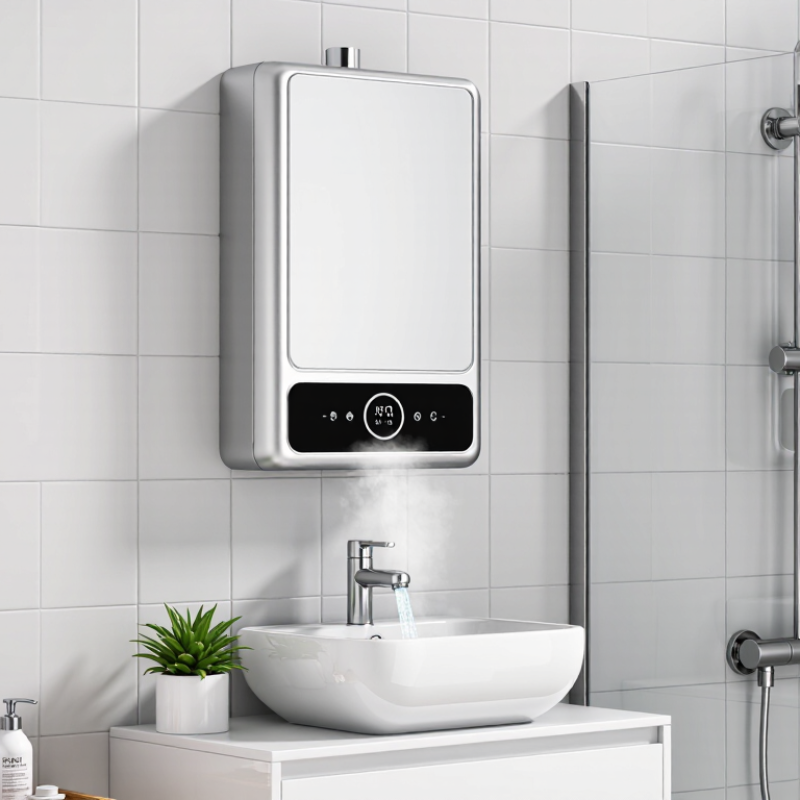
Instant electric water heaters warm water only when a tap demands it. They do not keep a large tank hot all day.
When you open the tap, water moves through an inlet sensor. The sensor measures flow and signals the control board to activate heating elements. These elements transfer heat directly through the passing water. A temperature sensor then checks the outlet temperature several times each second.
The process is quick. But it is not unlimited.
The heater adjusts electrical power according to water flow and the selected temperature. A slower flow usually allows hotter water. A faster flow may produce cooler water, especially during cold weather. This relationship is easy to overlook when choosing a unit.
Most systems need a correctly sized electrical circuit, reliable grounding, and suitable water pressure. Professional installation helps confirm these details. It also reduces the risk of overheating, loose connections, or unstable performance. Local electrical requirements should always guide the installation.
From practical observation, clean inlet filters and regular inspections can help maintain steady flow. Hard water may leave mineral deposits around internal heating surfaces. That buildup can reduce efficiency over time.
A common assumption is that instant heating means unlimited hot water at every flow rate. That is not quite accurate. The unit still has a power limit, and household demand can exceed it.
The controls may also need adjustment after installation. A comfortable setting at the kitchen sink may feel too cool in a shower. Small changes matter. Proper sizing remains the most reliable way to balance comfort, energy use, and performance.
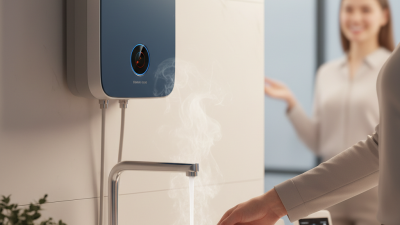
Why Choose Instant Electric Water Heaters?
Key Benefits of On-Demand Hot Water
An instant electric water heater warms water only when a tap opens. This design avoids keeping a large tank hot throughout the day. In practical use, that can reduce standby heat loss and free valuable storage space. Hot water arrives without waiting for a tank to recover. That feels especially useful during quick morning showers.
The supply is steady when the unit matches the home’s flow rate and electrical capacity. A temperature control dial can help maintain comfortable water, even when outdoor temperatures change. I have found that smaller units work well for one tap at a time. However, performance may drop when showers, sinks, and appliances run together. That limitation deserves honest attention.
Professional sizing and installation matter. A qualified electrician should check wiring, circuit capacity, grounding, and local safety requirements. Good maintenance also includes checking filters and removing mineral buildup where needed. The unit itself is compact. The installation may not be. Some homes require electrical upgrades, which can increase the initial cost. Yet the system can offer efficient, convenient hot water for households with limited space and predictable daily demand.
Why Choose Instant Electric Water Heaters?
Energy Efficiency and Household Cost Savings
An instant electric water heater heats water only when a tap opens. It avoids the storage tank’s continuous standby losses. That difference can matter in homes with irregular hot-water use. A guest bathroom, for example, may sit unused for hours.
A practical household trial can reveal the clearest savings. Record water-heating costs for one month. Then compare them after reducing shower time and improving fixture efficiency. Shorter showers help. Low-flow fittings help too. Heating water closer to the outlet may reduce pipe heat loss. Yet the purchase price, electrical upgrades, and local electricity tariff require careful checking. A unit is not automatically cheaper in every home. This point is easy to miss.
Usage matters most. A family taking several long showers may still receive a large electricity bill. A smaller household may benefit from compact, point-of-use heating. Ask a qualified electrician to confirm circuit capacity, grounding, and safe installation. Proper sizing also matters because cold winter water requires more power. Measure real habits before choosing a model. Keep records.
The most reliable comparison uses actual bills, flow rate, incoming water temperature, and expected service life. Energy labels and independent test data can support estimates, but they cannot predict every household. Include maintenance and replacement costs as well. Savings may be modest if hot-water use is already low. That honest possibility deserves attention.
| Metric | Traditional Electric Storage Heater | Instant Electric Water Heater | Potential Household Benefit |
|---|---|---|---|
| Heating method | Heats and stores water in a tank | Heats water only when a tap or shower calls for it | Less energy is used to maintain stored water temperature |
| Typical standby energy loss | Approximately 5%–20% of water-heating energy, depending on tank insulation, temperature, and location | Very low while inactive because there is no storage tank | Reduced energy waste during periods of low or zero hot-water use |
| Illustrative annual electricity use1 | About 4,890 kWh per year | About 4,550 kWh per year | Approximately 340 kWh saved per year |
| Estimated annual operating cost2 | Approximately $782 per year | Approximately $728 per year | Approximately $54 saved per year |
| Hot-water availability | Limited by tank capacity; hot water may run out during high demand | Continuous supply while flow rate and electrical capacity are adequate | Better suited to extended showers and back-to-back use when correctly sized |
| Space requirement | Requires floor or dedicated closet space for a storage tank | Compact wall-mounted design; no large storage tank | More usable utility-room or cupboard space |
| Water damage exposure | A failed or corroded tank can release a large volume of stored water | No large reservoir of stored water | Lower potential damage from tank rupture, although plumbing leaks remain possible |
| Electrical requirements | Usually operates at a lower instantaneous electrical load | May require high-amperage circuits, larger wiring, and an electrical-panel review | Professional load assessment is important before installation |
| Best cost-saving conditions | Can remain economical where hot-water demand is high and the existing tank is efficient | Most beneficial where demand is intermittent, space is limited, or standby losses are significant | Actual savings depend on usage, electricity rates, climate, and installation cost |
| Expected energy-saving range | Baseline for comparison | Commonly about 7%–14% lower energy use than a comparable electric storage system in household applications | Savings are higher when hot-water demand is low or the storage tank has substantial standby losses |
Instant electric water heaters can provide hot water without a storage tank, but their compact size does not mean simple installation. The U.S. Department of Energy reports that water heating represents about 18% of household energy use. Correct sizing may reduce waste, yet electrical demand can be substantial.
A qualified electrician should check the home’s service capacity before installation. Many units require a dedicated circuit, correctly sized conductors, overcurrent protection, grounding, and residual-current or ground-fault protection. The required rating depends on voltage, water flow, and temperature rise. A small bathroom unit may still draw several kilowatts. Local electrical and plumbing codes must guide every detail.
The U.S. National Fire Protection Association recorded about 46,700 home fires involving electrical distribution or lighting equipment annually from 2015 to 2019, causing roughly 390 civilian deaths. That risk makes shortcuts unacceptable.
Water connections need isolation valves, compatible fittings, pressure control, and careful leak testing. The installer should confirm minimum flow requirements before fixing the unit to the wall. Poor flow can cause unstable temperatures. Scald protection matters too, especially for children and older adults. Set the outlet temperature conservatively, then test it at the tap.
A loose terminal may remain unnoticed for months. That is the uncomfortable part. Installation is not finished when the heater turns on; protective devices, cable temperature, bonding, and water leakage require inspection.
Reports from the U.S. Department of Energy and NFPA support the same practical lesson: efficiency is valuable, but safe design must come first.
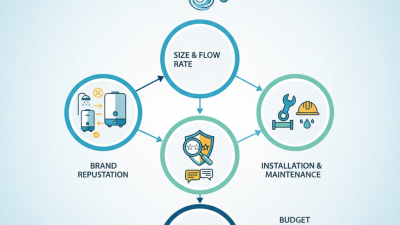
Choosing the right instant electric water heater starts with household demand, not appearance. List each fixture’s flow rate, then add the outlets used simultaneously. A shower may require 2.0 gallons per minute, while a kitchen tap may need 1.5. That means a realistic combined demand could reach 3.5 gallons per minute. The U.S. Department of Energy’s Energy Saver guidance notes that tankless systems can be 24–34% more energy-efficient in homes using about 41 gallons of hot water daily. Higher-use homes may see smaller gains, around 8–14%.
Electrical capacity matters just as much. Check the service panel, available amperage, and wire size before purchasing. A high-flow electric model may require several dedicated circuits, especially in colder climates where incoming water needs greater heating. The required temperature rise is simple to underestimate. A professional installer should verify it using local winter water temperatures, not only showroom specifications. Safety devices and correct grounding are essential.
Hard water also deserves attention. Mineral buildup can reduce heat transfer and shorten service life. The U.S. Environmental Protection Agency recommends considering water quality when selecting and maintaining water-heating equipment. Filtration may help, but it adds cost and maintenance. I would not choose the smallest unit just to save money. It might work on a quiet morning and struggle during dinner. That compromise is easy to miss. Check the warranty terms, service access, and measured flow performance before installation.