2026 Best Evi Heat Pump Reviews and Buying Guide?
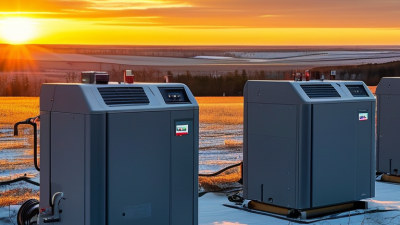
In recent years, Evi heat pumps have gained significant traction in the HVAC industry. According to the Global Heat Pump Market report, the sector is projected to grow at a compound annual growth rate (CAGR) of 9.2% through 2026. This growth highlights the increasing demand for energy-efficient heating solutions. Evi heat pumps stand out for their ability to operate effectively in cold climates, representing a versatile choice for homeowners seeking efficiency and comfort.
Despite their advantages, some consumers may find the technical specifications overwhelming. Understanding the nuances between various models is crucial. Potential buyers often wonder about installation costs, energy performance ratings, and operational noise levels. Competent reviews can shed light on these aspects, helping buyers make informed decisions. Evi heat pumps are not always the best fit for every household. Some installations may require extra components, which can complicate the purchase process.
The increasing awareness of climate change further propels the popularity of Evi heat pumps. As consumers seek sustainable options, these efficient systems can decrease carbon footprints. However, potential users must weigh the upfront costs against long-term savings. Solid research and professional opinions can aid in navigating the complexities of the market. As more data surfaces, the true value of Evi heat pumps will become clearer for prospective buyers.
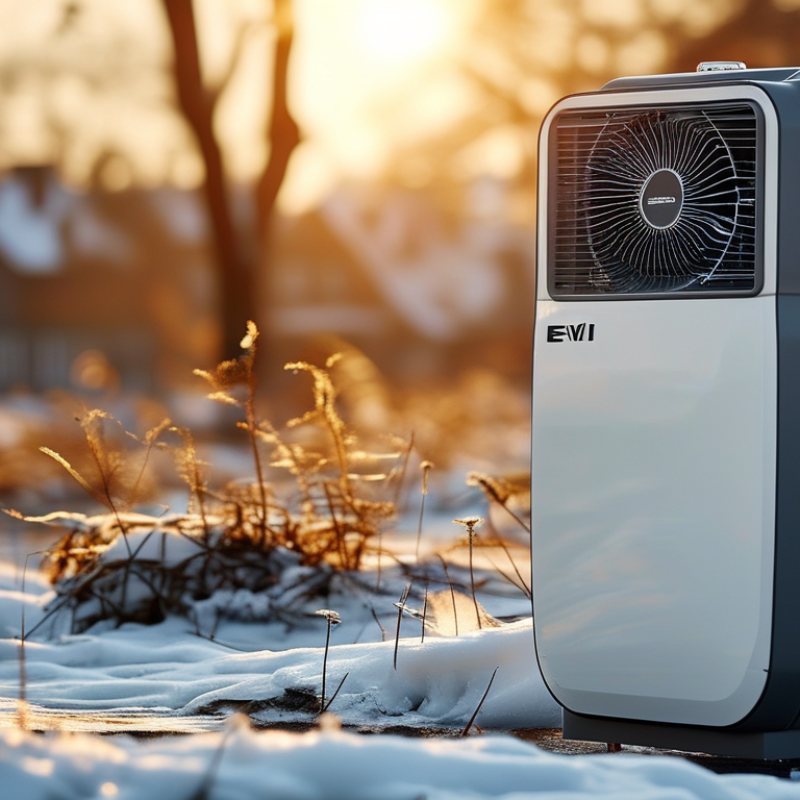
Overview of EVI Heat Pumps and Their Benefits
EVI heat pumps have gained popularity for their efficiency and versatility. These pumps utilize enhanced vapour injection technology. This allows them to operate effectively in low-temperature environments. According to the International Energy Agency, heat pumps can save up to 50% on energy costs compared to traditional heating systems. This makes them an attractive option for homeowners seeking sustainable heating solutions.
One significant advantage of EVI heat pumps is their ability to deliver consistent heating performance. They maintain a high coefficient of performance (COP) even in extreme climates. For instance, many EVI systems can function efficiently at temperatures as low as -15°C. However, selecting the right size and type is crucial. Oversized systems can lead to inefficiencies. Adequate research is essential to maximize benefits.
The lifespan of EVI heat pumps typically ranges from 15 to 20 years. Proper maintenance enhances reliability and performance. However, some users may find the initial installation costs to be a hurdle. Balancing long-term savings with upfront investments is vital for informed decision-making. This consideration requires reflecting on both immediate budget constraints and future energy bills.
Comparison of EVI Heat Pump Efficiency Ratings (COP) by Climate Zone
This chart illustrates the Coefficient of Performance (COP) ratings of EVI heat pumps across different climate zones. The COP is a key indicator of the heat pump's efficiency, with higher values indicating better performance in varying temperatures.
Key Features to Consider When Choosing EVI Heat Pumps
When choosing an EVI heat pump, several key features warrant consideration. First, look at the coefficient of performance (COP). It indicates a pump's efficiency. A higher COP means better energy efficiency. Reports show that EVI systems can achieve COP values ranging from 3.0 to 5.0 under optimal conditions. This efficiency translates into lower energy costs over time.
Another important aspect is the operating temperature range. EVI heat pumps excel in low-temperature environments, performing effectively even when ambient temperatures drop to -15°C. This feature makes them suitable for colder climates. However, not all units can maintain efficiency at such temperatures. Consumers should evaluate performance data carefully.
Noise levels also play a vital role in selecting an EVI heat pump. Units can vary significantly in decibel levels. Many users prefer quieter models, especially for residential settings. It's essential to access detailed specifications, ensuring the noise output aligns with your comfort requirements. Ultimately, thorough research is crucial. Each feature impacts performance and user satisfaction, and understanding these factors is critical for making an informed decision.
Top 2026 EVI Heat Pump Models and Their Performance Ratings
The EVI heat pump market in 2026 features several top models that excel in performance ratings. According to recent industry reports, the efficiency of EVI heat pumps typically exceeds 4.0 COP under standard conditions. This rating indicates that these pumps can deliver four times the heat energy compared to the electricity they consume. Such efficiency makes them a preferred choice for both residential and commercial heating needs.
An important factor in selecting a heat pump is its ability to operate efficiently in colder climates. Models with enhanced vapor injection technology are particularly noteworthy. They maintain high performance even as outdoor temperatures drop. It's not uncommon for these units to operate efficiently down to -15°C. However, potential buyers should be aware that installation complexity can vary significantly. Proper installation is crucial to maximize efficiency; otherwise, performance may decline unexpectedly.
When considering an EVI heat pump, it's wise to evaluate both energy efficiency and sound levels. Some units operate quietly, but others may emit noticeable noise. Before purchasing, reviewing user feedback can provide valuable insights into their real-world performance. It’s also beneficial to seek out models with robust warranties. This can offer peace of mind regarding long-term reliability.
Installation and Maintenance Tips for EVI Heat Pumps
When considering the installation of an EVI heat pump, understanding the setup process is essential. Begin by selecting an appropriate location. The unit needs enough space for airflow. Avoid placing it near high obstructions, which can hinder efficiency. Proper insulation of pipes and connections is also crucial. This step can prevent heat loss during operation.
Maintenance cannot be overlooked. Regular cleaning of filters is vital. Clogged filters can lead to reduced performance. Occasionally check water levels and refrigerant, ensuring they meet specifications. If any leaks occur, addressing them quickly is necessary. Ignoring small issues can escalate into larger, more costly repairs.
Even with careful installation and maintenance, problems might arise. It's important to remain vigilant and proactive. Document all maintenance activities. This record can help identify patterns and prevent future issues. Investing time in these practices can ensure your EVI heat pump operates efficiently for years to come.
Cost Analysis: Budgeting for an EVI Heat Pump System
When considering an EVI heat pump system, budgeting is crucial. Costs can vary significantly based on capacity, installation, and operational features. On average, expect to spend between $3,000 and $10,000 for the entire system. This includes the unit itself and labor costs for installation.
Installation costs can fluctuate based on your existing HVAC setup. Complex installations will incur higher labor fees. If you need to upgrade electrical systems or ductwork, factor in these additional expenses. It’s wise to get multiple quotes from contractors. This can help you make an informed decision and manage costs efficiently.
Looking to optimize your investment? Research energy efficiency ratings. High-efficiency models may have a higher upfront cost. However, they can lead to substantial savings on energy bills. Proper maintenance will also influence long-term costs. Regular checks can prevent breakdowns and unnecessary repairs. When budgeting, include potential maintenance costs as a priority. It's an often overlooked aspect that can save you from unexpected expenses.