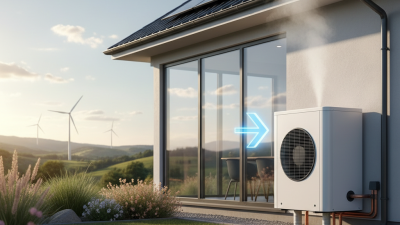
Top Benefits of Using Monoblock Heat Pumps in Modern Heating Systems?
In today's world, efficient heating systems are essential for comfort and energy savings. One innovative solution gaining traction is the Monoblock Heat Pump. This device integrates advanced technology to provide effective heating while minimizing environmental impact.
Monoblock Heat Pumps are designed as a single unit, simplifying installation and maintenance. They work by transferring heat from the outside air to the interior. This process is both efficient and cost-effective. Users often report lower energy bills compared to traditional heating systems. Moreover, these pumps contribute to a reduction in carbon emissions, addressing today's energy challenges.
However, it's important to consider that Monoblock Heat Pumps might not be suitable for every environment. In extremely cold climates, their efficiency can decrease. Prospective users should assess their specific heating needs and local climate conditions. Despite these factors, the benefits of Monoblock Heat Pumps in promoting sustainable energy use remain significant and worthy of exploration.
Overview of Monoblock Heat Pumps and Their Functionality
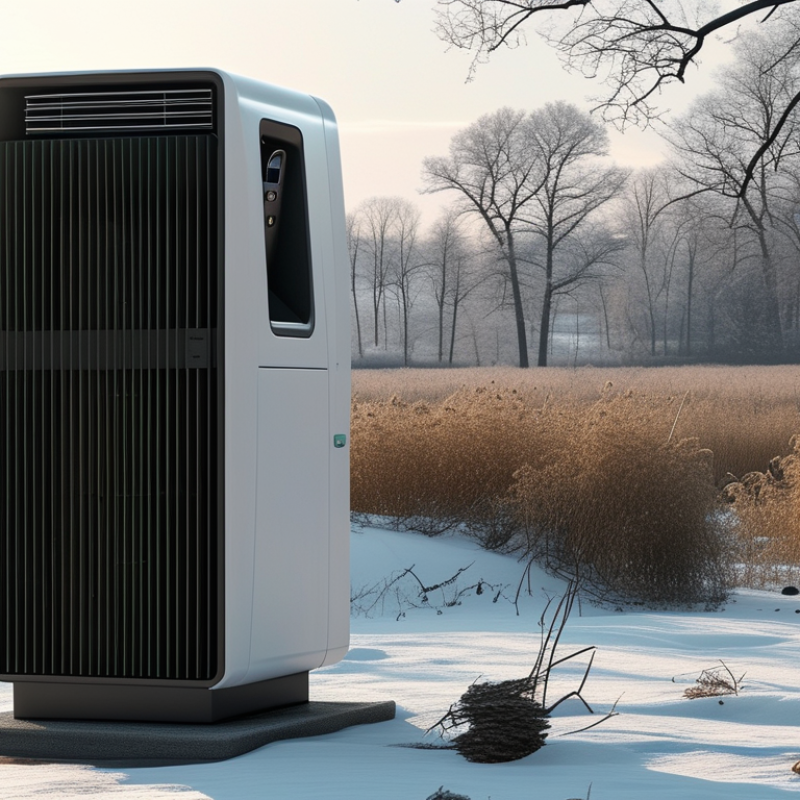
Monoblock heat pumps are a modern solution for efficient heating. These units combine all essential components into a single outdoor appliance. This design simplifies installation and reduces maintenance needs. The compact structure allows for straightforward integration into homes, minimizing disruption during setup.
One key functionality of monoblock heat pumps is their ability to extract heat from the air, even in cold temperatures. They use advanced refrigerant technology to transfer heat indoors. This process can contribute significantly to a building's heating requirements, leading to lower energy bills. However, performance can diminish in extreme cold, which could necessitate supplementary heating sources.
Monoblock heat pumps also offer versatility in application. They suit various heating needs, from residential homes to commercial spaces. Their environmentally friendly design makes them an appealing choice. While they excel in efficiency, initial costs can be a barrier. It’s essential for consumers to weigh upfront investments against long-term savings and environmental benefits. Seeking professional advice can provide clarity on suitability and performance expectations.
Top Benefits of Using Monoblock Heat Pumps in Modern Heating Systems
This bar chart illustrates the benefits of using Monoblock Heat Pumps in modern heating systems. The benefits are evaluated on a scale of 0 to 100, highlighting energy efficiency as the top advantage, followed by cost savings, environmental impact, versatility, and ease of installation.
Energy Efficiency Advantages of Monoblock Heat Pumps
Monoblock heat pumps offer notable energy efficiency advantages, making them a preferred choice in modern heating systems. Unlike traditional systems, monoblock designs integrate all components into a single unit. This simplicity reduces installation complexity and improves operational efficiency. They use ambient air to extract heat, which helps lower energy consumption during heating cycles.
Many homeowners report significant savings on energy bills after switching to monoblock heat pumps. Their ability to operate in diverse temperatures enhances their efficiency across various climates. In fact, these pumps can achieve high coefficients of performance (COP), leading to more effective heating with less energy input.
Tips: Regular maintenance is crucial for optimal performance. Clean the filters and check for any blockages to ensure efficient airflow. Additionally, consider adjusting the thermostat settings based on usage patterns. This small change can lead to further energy savings.
However, it’s essential to reflect on some limitations. Monoblock heat pumps may struggle in extremely low temperatures. While they are designed to work efficiently, performance may be compromised in severe winter conditions. Homeowners in colder regions should evaluate their specific needs before making a switch.
Environmental Impact and Sustainability Benefits
Monoblock heat pumps are gaining attention for their role in sustainable heating solutions. These systems utilize renewable energy sources, reducing reliance on fossil fuels. According to the International Energy Agency (IEA), heat pumps can lower greenhouse gas emissions by up to 70% compared to traditional heating systems. This significant reduction helps combat climate change and promotes environmental health.
The environmental impact of monoblock heat pumps goes beyond emissions. They are highly efficient, often converting each unit of electricity into 3-4 units of heat, as noted in a report by the U.S. Department of Energy. This efficiency translates to lower energy consumption and reduced energy bills. However, the effectiveness of these systems can vary based on climate and building insulation. In colder regions, performance might decrease, warranting careful consideration in system selection.
Investing in monoblock heat pumps also supports sustainability efforts. These systems often have a longer lifespan compared to traditional HVAC technologies, contributing to less waste. Nonetheless, their installation can be complex, requiring skilled labor for optimal performance. Addressing these challenges is vital for maximizing their benefits and ensuring a sustainable heating future.
Cost Considerations and Long-Term Savings
Monoblock heat pumps are increasingly popular for modern heating systems. They provide a range of financial benefits that can lead to long-term savings. Compared to traditional heating methods, these systems often have a lower initial installation cost. They require less space and simpler setup, which saves on labor costs and installation time.
Operating expenses are another crucial factor. Monoblock heat pumps are designed for energy efficiency. They convert ambient heat into usable energy for heating spaces. This efficiency translates into lower energy bills over time. Moreover, some regions offer incentives for using renewable energy systems. These programs can significantly offset initial costs, making the investment more appealing.
However, it is important to consider potential drawbacks. While maintenance costs are usually low, users might encounter unexpected repairs. The initial cost can vary based on location and installation complexity. Evaluating local energy rates is essential, as they impact long-term savings. Careful planning and research can help maximize the benefits of monoblock systems and ensure a sound investment in modern heating solutions.
Comparison with Traditional Heating Systems and Technologies
Monoblock heat pumps emerge as a modern solution in heating systems. They require less space and are easier to install than traditional systems. According to a report by the International Energy Agency, heat pumps can reduce energy consumption by up to 50% compared to conventional heating methods. This statistic highlights their efficiency, making them a compelling choice for homeowners.
Compared to traditional systems, monoblock heat pumps offer significant advantages. They operate quietly and can function effectively in varying climates, even at low temperatures. However, they may require a backup heating source during extreme cold. Data from the Building Research Establishment indicates that while initial costs can be higher, the long-term savings from reduced energy bills are substantial. The payback period can be as short as five years, depending on usage and local energy prices.
Traditional systems often rely on fossil fuels, leading to higher emissions. In contrast, heat pumps use electricity, which can be sourced from renewable energy. This shift is crucial as global emissions must decline to meet climate goals. While monoblock heat pumps appear to be a reliable option, further advancements in technology and affordability are needed to broaden their adoption.