Best Heat Pump Types for Optimal Energy Efficiency 2026?
Choosing the right Heat Pump is crucial for energy efficiency in 2026. Many homeowners seek sustainable solutions. Heat Pumps can significantly reduce energy costs. They provide heating and cooling by transferring heat.
Different types of Heat Pumps exist in the market. Air-source, ground-source, and water-source units cater to varying needs. Each type has its pros and cons. Air-source models are typically easier to install. Ground-source units offer better efficiency but require more space.
Understanding your specific needs is vital. Some users may find initial costs daunting. In contrast, long-term savings can be substantial. Research indicates that proper installation enhances performance. However, not every Heat Pump will suit every climate. This complex decision requires careful consideration.
Overview of Heat Pump Technology and Its Importance in Energy Efficiency
Heat pump technology plays a crucial role in enhancing energy efficiency. These systems transfer heat instead of generating it, making them highly efficient. They can effectively heat or cool spaces by moving heat from one place to another. This process uses less energy compared to traditional heating systems. Because of this, heat pumps reduce carbon footprints significantly.
Understanding how heat pumps function is vital for optimizing their use. The three primary types—air, geothermal, and water-source pumps—offer different efficiencies based on their application. Air-source heat pumps are common in mild climates but may be less effective in extreme cold. Geothermal options provide consistent performance regardless of outside temperatures. Each type has its advantages, yet they all rely on a well-designed system for maximum efficiency.
However, there are challenges. Installation costs can be high. Homeowners might question the long-term savings versus upfront expenses. Moreover, proper maintenance is crucial for sustained performance. A poorly maintained heat pump can lose efficiency quickly. It's essential to weigh these considerations against the benefits of energy savings and environmental impact.
Best Heat Pump Types for Optimal Energy Efficiency 2026
This chart illustrates the energy efficiency (measured by Coefficient of Performance, COP) of different heat pump types expected in 2026. Air source heat pumps are known for their accessibility, while ground source pumps offer higher efficiency. Water source and hybrid systems provide excellent alternatives with varying benefits. Understanding these types helps in making informed decisions for optimal energy efficiency.
Types of Heat Pumps: Air, Ground, and Water Source Variants
When considering heat pump options, air, ground, and water source variants each have their unique advantages and challenges. Air source heat pumps are popular for their simplicity and ease of installation. They extract heat from the outside air, even at low temperatures. However, their efficiency decreases as temperatures drop, which can impact performance in colder climates.
Ground source heat pumps are known for their consistent efficiency. They utilize the stable temperatures found underground. This type typically requires more significant upfront investment and installation effort. Yet, once installed, they provide reliable heating and cooling throughout the year. Comparison shopping for installation and maintenance services is crucial to ensure you select a trustworthy provider.
Water source heat pumps take advantage of nearby bodies of water. They deliver excellent energy efficiency but may require specific site conditions. Access to a large water source is vital. Not everyone has this option. It’s essential to weigh the location’s potential limitations against the benefits. Each type of heat pump has its strengths and weaknesses, making it necessary to assess personal needs and environmental conditions carefully before making a decision.
Factors Influencing Energy Efficiency in Heat Pump Systems
When considering energy efficiency in heat pump systems, several key factors come into play. The design of the heat pump itself is crucial. A well-designed unit can significantly impact its overall efficiency. For instance, variable speed compressors often adjust their output based on demand, which can lead to substantial energy savings. In contrast, traditional single-speed units may work inefficiently during moderate weather.
Climate also influences a heat pump’s performance. Regions with extreme temperatures may not utilize heat pumps effectively. In colder climates, the efficiency of a heat pump significantly declines, leading to increased energy consumption. Proper sizing of the unit is essential; an oversized heat pump will short-cycle, while an undersized unit may struggle to meet heating demands.
Installation quality cannot be overlooked. Even the best heat pump will underperform if installed improperly. Ductwork issues can result in air leaks, straining the system and wasting energy. Regular maintenance is important too. Neglecting a heat pump can reduce its longevity and efficiency. Therefore, awareness of these factors is vital for homeowners interested in maximizing energy efficiency.
Best Heat Pump Types for Optimal Energy Efficiency 2026
| Heat Pump Type |
Energy Efficiency Ratio (EER) |
Coefficient of Performance (COP) |
Operating Temperature Range (°F) |
Cost (Approx.) |
| Air Source Heat Pump |
3.0 - 4.0 |
3.0 - 5.0 |
-5 to 95 |
$3,000 - $8,000 |
| Geothermal Heat Pump |
4.0 - 5.5 |
4.0 - 6.0 |
-10 to 100 |
$10,000 - $25,000 |
| Water Source Heat Pump |
3.5 - 4.5 |
3.5 - 5.5 |
30 to 105 |
$7,000 - $15,000 |
| Ductless Mini-Split Heat Pump |
3.0 - 4.0 |
3.0 - 5.0 |
-5 to 75 |
$2,000 - $5,000 |
Comparison of Heat Pump Performance Ratings and Their Implications
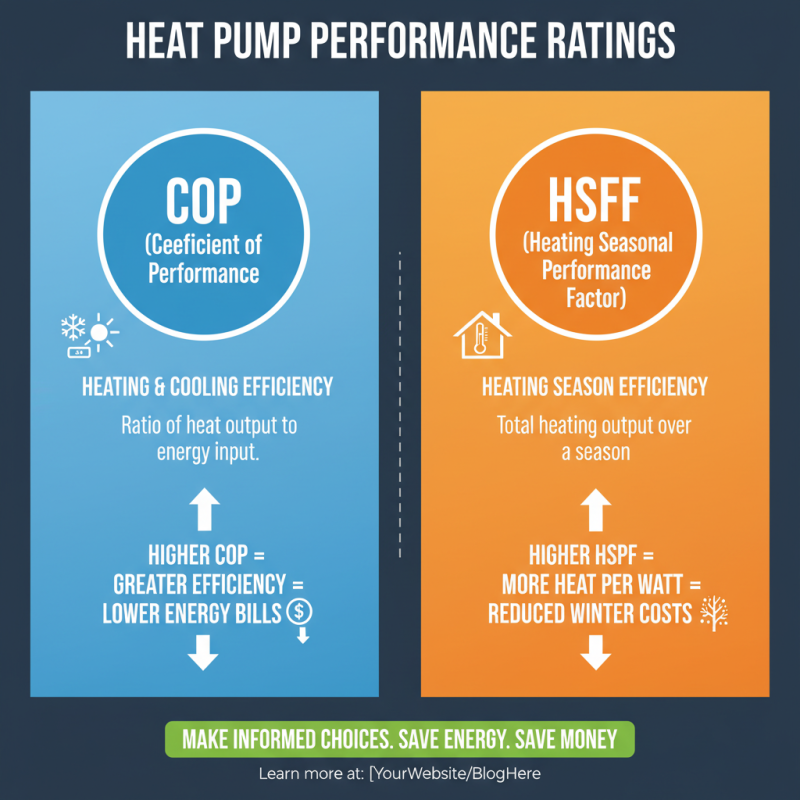
Heat pumps are gaining popularity due to their energy efficiency. Understanding performance ratings is crucial for making informed choices. These ratings often include COP (Coefficient of Performance) and HSPF (Heating Seasonal Performance Factor). Higher ratings indicate better performance and lower energy costs.
Different types of heat pumps, such as air-source, ground-source, and water-source, offer varied efficiencies. Air-source pumps usually have lower initial costs but may struggle in extreme temperatures. Ground-source systems, while more expensive upfront, provide consistent energy savings and efficiency. Not all systems are perfect for every climate. Choosing the improper type can lead to inefficiencies and discomfort.
Consumers should reflect on their local climate and specific needs. Performance ratings can sometimes be misleading. Real-world efficiency can differ from lab ratings. It is important to research thoroughly and consult experts in the field. Many homeowners overlook significant details that impact performance. Understanding these aspects ensures optimal energy usage and long-term satisfaction.
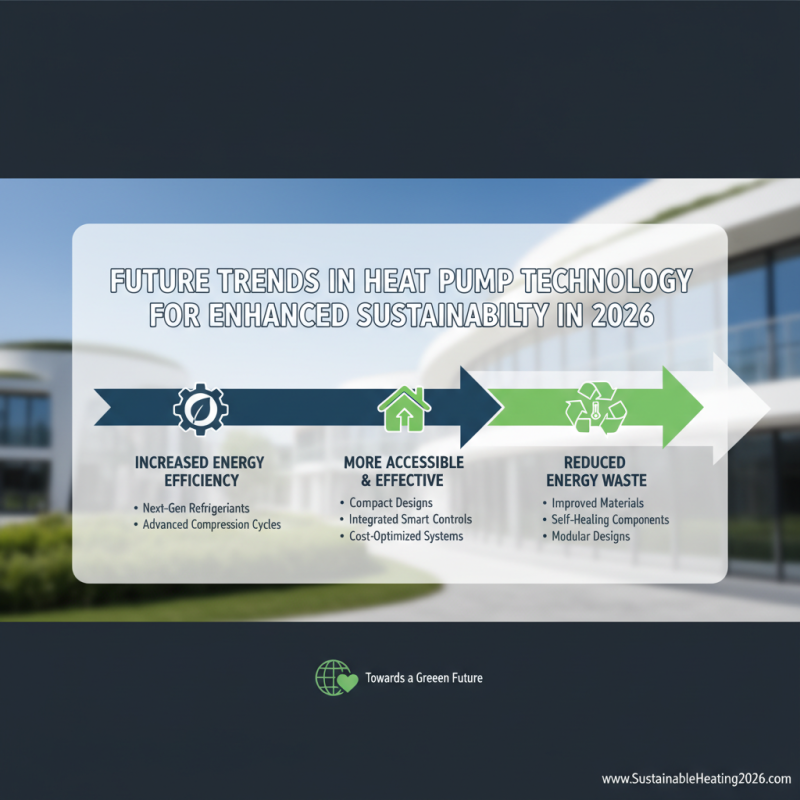
Future Trends in Heat Pump Technology for Enhanced Sustainability in 2026
As we head towards 2026, heat pump technology is evolving rapidly. Enhanced sustainability is a key focus, aiming for increased energy efficiency. New innovations promise to make heat pumps more accessible and effective for all consumers. Improved materials and designs will reduce energy waste, a common concern in current systems.
Tips for choosing the right heat pump include understanding your climate. In cooler areas, ground-source models perform best. In milder climates, air-source models can suffice. Regular maintenance remains crucial; a poorly maintained unit may underperform, leading to higher energy bills.
Future trends may see integration with smart home technologies. This synergy could optimize energy use, learning from household patterns. Yet, as excitement builds, it’s vital to recognize potential challenges. Not all homes may accommodate new systems easily. Renovations may be necessary, requiring time and investment. Embracing these advancements involves careful consideration and planning.