China Best Energy Efficient Heat Pump Solutions for Your Needs?
Energy Efficient Heat Pumps are becoming essential in today's energy-conscious world. These systems provide reliable heating and cooling while minimizing energy consumption. Many homeowners and businesses are seeking sustainable solutions. The challenge lies in identifying the best options available.
In China, various companies offer innovative and energy-efficient heat pump solutions. Yet, understanding the key features of these products is crucial. Quality, efficiency ratings, and installation services vary widely. Potential users often struggle with making informed decisions.
Adopting Energy Efficient Heat Pumps can significantly reduce energy costs and carbon footprints. However, careful consideration of the specific needs is necessary. Not every solution fits every space, and the wrong choice can lead to dissatisfaction. It’s important to evaluate not just prices, but long-term efficiency and support services.
Overview of Heat Pump Technology and Its Efficiency Benefits
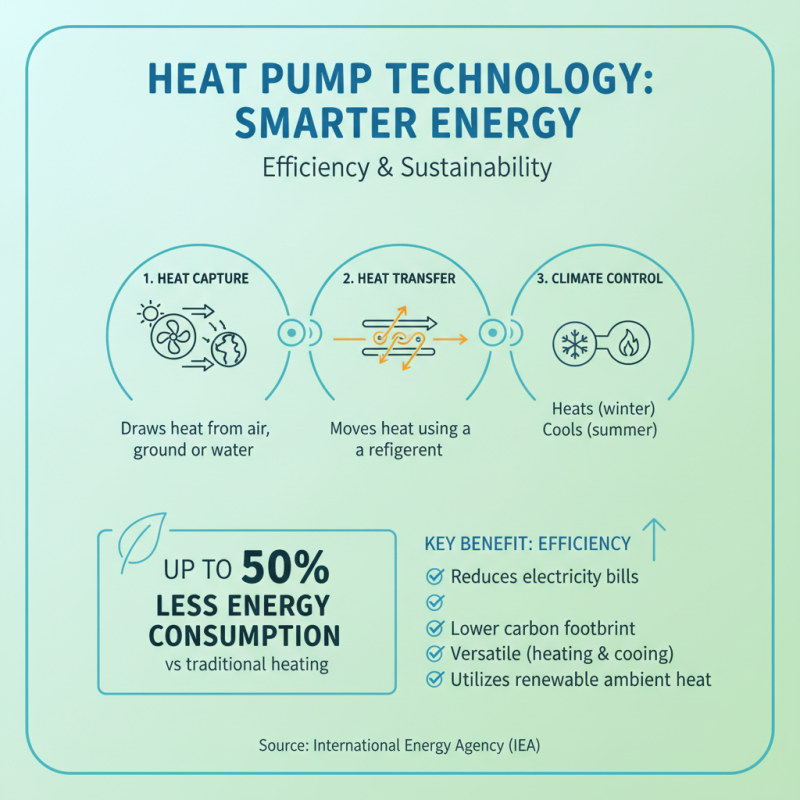
Heat pumps have become a vital technology in energy efficiency. They work by transferring heat instead of generating it. According to the International Energy Agency (IEA), heat pumps can reduce energy consumption by up to 50% when compared to traditional heating methods. This efficiency comes from their ability to utilize ambient air, ground, or water sources for heating and cooling.
The benefits of heat pump technology are substantial. Reports show that buildings using heat pumps can lower greenhouse gas emissions dramatically. Research from the U.S. Department of Energy indicates that transitioning to heat pumps could save up to 21% on energy costs annually for American homeowners. Despite these advantages, some users report inconsistent heating during extremely cold weather conditions. This is a critical factor that requires consideration.
Heat pumps also provide cooling in the summer months. They are versatile solutions for climate control. However, installation costs can be a barrier. Investing in a high-efficiency heat pump may require an initial outlay, but the long-term savings can be significant. Industry experts often highlight the importance of proper sizing and installation to ensure optimum performance.
Types of Energy Efficient Heat Pumps Available in China
In the realm of energy-efficient heating solutions, China offers a variety of heat pump technologies. These systems are designed to meet diverse climate needs while maximizing energy savings. According to a 2023 report from the China Heat Pump Industry Association, heat pumps can reduce energy consumption by up to 60% compared to traditional heating methods. This significant reduction contributes to lower utility bills and a smaller carbon footprint.
Air-source heat pumps are widely adopted in urban areas. They extract heat from the outdoor air and are effective even in colder temperatures. However, their efficiency can diminish with extreme cold. Ground-source heat pumps, also known as geothermal systems, provide stable performance. They utilize the earth's constant temperature, but installation can be costly and complex. The choice between these types also depends on the specific climate conditions and energy needs of buildings.
Water-source heat pumps present another option, particularly in regions with lakes or rivers. They offer high efficiency, but their availability is geographically limited. While these systems promise substantial energy savings, choosing the right type requires careful consideration of local resources and climate variability. Balancing performance with cost remains a challenge for many consumers.
Energy Efficient Heat Pump Solutions in China
Factors to Consider When Choosing a Heat Pump Solution
Choosing the right heat pump can be overwhelming. It's essential to consider various factors to find the best solution for your needs. Energy efficiency is a priority. Look for models with high Coefficient of Performance (COP) ratings. A higher COP means more energy savings over time. Each season can affect efficiency differently, so consider seasonal performance as well.
Installation concerns should not be overlooked. Proper installation is critical. Choose a contractor who has experience with heat pump systems. Poor installation can lead to inefficient operation and increased costs. Assess your space too. The size and layout of your home can impact performance. Oversized units may cycle on and off frequently, wasting energy.
Cost is also a significant factor. While a higher upfront cost may deter you, low operating costs can justify the investment. Remember to factor in long-term savings. Additionally, some heat pumps have advanced features. These may include smart controls or variable speed compressors. They can enhance comfort but might increase complexity. Always ensure you understand the technology involved before making a decision. Reflect on your specific requirements carefully.
Leading Manufacturers and Brands of Energy Efficient Heat Pumps in China
In the realm of energy-efficient heat pumps, China is making significant strides. Various manufacturers focus on sustainable solutions, catering to diverse needs. These companies emphasize advanced technology and environmental benefits. Many options are available, appealing to both residential and commercial markets.
Leading manufacturers prioritize efficiency and performance. They develop products that consume less energy and reduce carbon footprints. However, not all models meet high standards consistently. The market sees variations in quality, impacting overall reliability. Consumers should research thoroughly before making a decision.
Regional differences also influence heat pump technology in China. Manufacturers adapt designs based on climate conditions. Some solutions work well in unique environments but may struggle elsewhere. Therefore, evaluating specific needs and climates is crucial. These factors shape the selection process, guiding users toward the best solutions.
Case Studies: Successful Implementation of Heat Pumps in Various Settings
Heat pumps are gaining traction in various sectors for their energy efficiency. A report from the International Energy Agency indicates that heat pumps can reduce energy consumption by up to 50% compared to traditional heating systems. This is especially significant in urban settings where demand for efficient heating solutions is paramount.
In a recent case study, a large-scale residential complex implemented a centralized heat pump system. The results showed a 30% reduction in annual energy costs. Residents reported improved comfort levels and a noticeable decrease in their utility bills. However, challenges arose during installation due to existing infrastructure limitations. Adaptations were necessary, highlighting the need for thorough site assessments before such implementations.
Another example is a commercial facility that transitioned to heat pumps. They experienced a drop in carbon emissions by approximately 40%. The initial investment was substantial, and return on investment took longer than anticipated. Maintenance remains a concern, as improper servicing can lead to efficiency losses. These instances underscore the importance of expert guidance and continuous evaluation to ensure optimal performance of heat pump systems.