How to Choose the Best Rice Dryer for Your Needs?
Choosing the right Rice Dryer can significantly impact your grain quality and profitability. As an expert in the field, Dr. Emily Chan, a renowned agricultural engineer, emphasizes, “A Rice Dryer is not just a machine; it’s an investment in your harvest's future.” Understanding what makes a Rice Dryer suitable for your needs is essential.
There are many types of Rice Dryers on the market. Each one offers distinct features. High-capacity models might be tempting but can be overwhelming. You should consider factors like energy efficiency and operating costs. A dryer that fits your needs is crucial. It's not always about the price tag; reliability and performance matter too.
The drying process is vital to prevent spoilage and maintain quality. You may face challenges in maintaining moisture levels. Even the best Rice Dryers need careful operation. It’s important to acknowledge that the right choice requires research and time. A thorough evaluation of your specific needs can lead to better decisions. Avoid rushing into a purchase without understanding your options. Reflecting on your requirements will make all the difference.
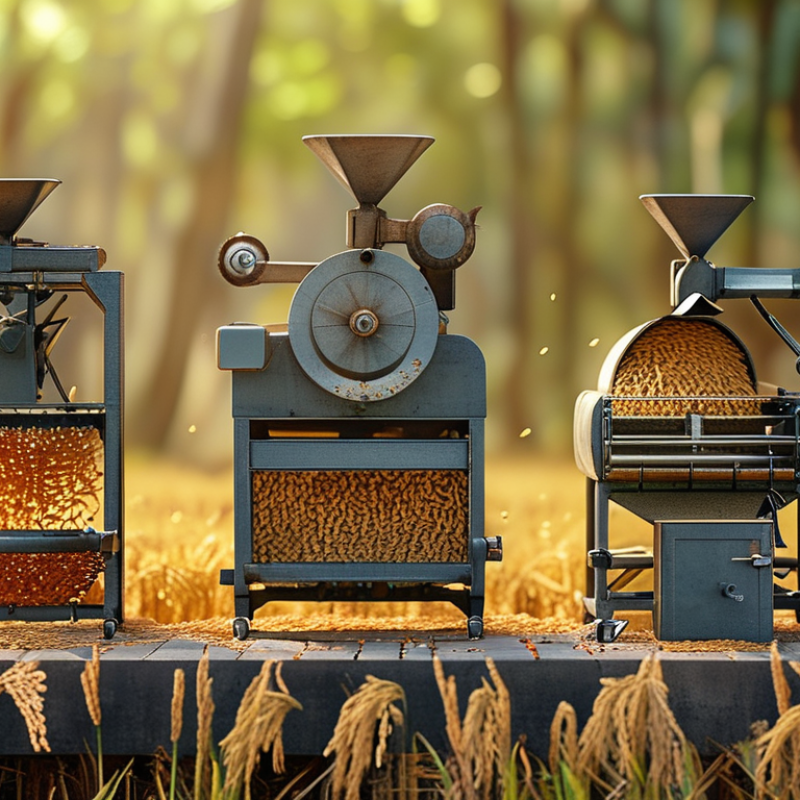
Understanding Different Types of Rice Dryers Available in the Market
When selecting a rice dryer, understanding the different types available is crucial. Several categories exist, each with unique features and benefits. Common types include
continuous flow dryers, batch dryers, and hybrid systems.
Continuous flow dryers are designed for high-capacity operations. They can handle large volumes efficiently, drying rice uniformly as it passes through the machine. According to industry reports, these dryers can process up to 10 tons of rice per hour, making them ideal for commercial purposes.
Batch dryers, on the other hand, are suitable for smaller operations. They typically handle less volume but offer flexibility in operation. Farmers often prefer batch dryers because they can dry different varieties of rice without risk of cross-contamination. Recent studies indicate that batch dryers maintain an optimal moisture content, reducing spoilage during storage.
Hybrid systems combine the best features of both continuous and batch dryers, catering to various needs.
Each type has its pros and cons. Continuous dryers require significant initial investment but offer efficiency. In contrast, batch dryers are cost-effective but may take longer to dry large quantities. The choice ultimately depends on your rice production capacity. Understanding these differences can lead to a more informed decision when choosing a rice dryer suitable for your operation.
Evaluating Capacity and Efficiency Based on Your Production Needs
Choosing the right rice dryer involves understanding your production needs.
Capacity and efficiency are key factors. According to industry data, rice processors experience up to 25% productivity loss due to inefficient drying methods. This highlights the importance of selecting equipment that aligns with your harvest volume and processing speed.
When evaluating capacity, consider your average daily output. For instance, if your operation processes 5 tons of rice daily, a dryer with a capacity of 6 tons is advisable. This allows for fluctuations in production without overburdening the machine.
Additionally, energy efficiency plays a significant role. Reports suggest that more efficient dryers can reduce energy costs by 15-30%, contributing to overall savings.
It’s also essential to reflect on the drying time. A quick turnaround may enhance your market responsiveness. Yet, rapid drying can sometimes compromise rice quality. Achieving a balance between speed and quality is crucial. Look for dryers that provide consistent moisture removal without damaging the grain. Your choice can significantly impact both quality and profitability.
Key Features to Consider When Selecting a Rice Dryer
Choosing the right rice dryer is crucial for maintaining quality. Start by considering the capacity. A dryer should match your production level. If it’s too small, you might face delays. If it’s too big, you waste energy and money.
Look at the drying technology. Different models use various methods. Some may be more efficient but pricier. Think about the energy consumption as well. A dryer that uses less energy can save costs in the long run. However, the initial investment might be higher.
Don’t forget about ease of use. A complicated control panel can lead to mistakes. Look for user-friendly interfaces. Maintenance is another factor. Choose a model that is easy to clean and repair. In the end, reflect on your needs and budget. The right dryer can greatly impact your rice quality.
Assessing Energy Consumption and Cost-Effectiveness
When it comes to selecting a rice dryer, energy consumption and cost-effectiveness are key factors. Choosing a dryer with high energy efficiency can significantly reduce operating costs. Look for models that offer various drying modes. Adjusting these modes can help optimize energy use based on your specific needs.
Evaluating the cost-effectiveness of a rice dryer goes beyond the initial purchase price. Calculate the long-term costs, including electricity and maintenance. A dryer that appears affordable might consume more energy over time, making it less economical. You might overlook how frequent repairs can add to expenses. Conduct research on the average lifespan of different models before making a decision.
Don’t forget to consider the local climate. In humid areas, you may need a more robust dryer, which can impact costs. Be mindful of your production needs; underestimating can lead to purchasing a drying system that cannot meet demand. Reflect on how your choices align with your budget and sustainability goals. Evaluating these aspects holistically is essential for making an informed decision.
How to Choose the Best Rice Dryer for Your Needs? - Assessing Energy Consumption and Cost-Effectiveness
| Dryer Type |
Energy Consumption (kWh) |
Cost per Cycle ($) |
Drying Capacity (kg) |
Efficiency (%) |
| Batch Dryer |
35 |
2.00 |
500 |
85 |
| Continuous Dryer |
60 |
3.50 |
1000 |
90 |
| Solar Dryer |
10 |
0.50 |
200 |
75 |
| Electric Dryer |
25 |
1.50 |
300 |
80 |
Importance of Maintenance and Durability in Rice Dryers
Choosing the right rice dryer involves understanding its durability and maintenance requirements. A well-built rice dryer can last for years. Studies show that regular maintenance can enhance the lifespan by up to 30%. Consider how often you will need to service the equipment. Make a plan for regular checks and cleaning.
Maintenance is vital for efficiency. A poorly maintained dryer might lead to uneven drying. This can affect grain quality. Research indicates that maintaining optimal moisture levels can enhance storage life by 15%. Dryers with accessible components simplify the maintenance process. Ease of access reduces downtime and keeps operations running smoothly.
Tip: Regularly inspect heating elements and ventilation systems. Clean them to prevent clogs. Remember, investing in durable equipment can save costs in the long run. Think about the materials used in construction; they can impact longevity. Products made from stainless steel resist corrosion better. Reflect on how often you will operate the dryer, as this affects wear and tear.
Rice Dryer Efficiency Comparison
This bar chart compares the drying efficiency of different rice dryers, highlighting the importance of choosing a durable and well-maintained dryer to meet your specific needs. Efficiency rates range from 75% to 95%, indicating varying performance levels that can significantly affect your drying process.