Top 10 Food Dehydrator Machines for Global Buyers Guide?
The Food Dehydrator Machine has gained popularity among health-conscious consumers and culinary enthusiasts alike. According to a recent market report by Grand View Research, the global food dehydrator market is expected to reach USD 1.21 billion by 2025, growing at a compound annual growth rate (CAGR) of 6.5%. This growth reflects a rising awareness of healthy eating and the benefits of preserving food without additives.
Incorporating a Food Dehydrator Machine into your kitchen can enhance your culinary repertoire. It allows you to preserve the essential nutrients and flavors of fruits, vegetables, and herbs. However, not all food dehydrators are created equal. Some may lack efficiency or durability, which can lead to disappointing results. Understanding the key features of an ideal dehydrator is crucial to make an informed decision.
As you explore the top food dehydrator machines, you may notice varying designs and price points. Seek out models that align with your needs but remain cautious of overly fancy features that may not add real value. Investing in a reliable dehydrator can lead to significant savings in both food waste and costs. However, potential buyers should reflect on how they plan to use the machine, as improper usage can hinder the results.

Understanding Food Dehydrators: What They Are and How They Work
Food dehydrators are essential kitchen appliances for anyone interested in preserving food. They work by removing moisture from fruits, vegetables, and meats. This dehydration process inhibits the growth of bacteria, yeast, and mold, enhancing shelf-life. Research indicates that dried foods can last 1-2 years when stored properly.
According to a recent market report, the global food dehydrator market is projected to grow at a CAGR of over 7% by 2026. This growth highlights increasing consumer awareness of healthy eating and preservation techniques. Many users appreciate that dehydrating retains nutrients, providing a concentrated source of vitamins.
However, not all dehydrators perform equally. Some models may not distribute heat evenly, leading to inconsistent results. Users often overlook the importance of airflow in dehydrators. Proper airflow is crucial for achieving uniform dryness. Without it, some food items may remain soggy, while others become overly crispy.
It’s essential to understand that not all foods dehydrate the same way. Some require different temperatures and times. By learning these nuances, users can avoid common pitfalls and achieve the best results.
Key Features to Consider When Choosing a Food Dehydrator
When selecting a food dehydrator, several key features can greatly influence your choice.
Consider the dehydrator's capacity.
Larger models can handle more food at once, which is vital for bulk drying.
Smaller units, however, offer convenience for small kitchens.
Temperature control is another feature to keep in mind. Precise temperature settings allow you to dry various foods effectively.
Some delicate fruits require lower heat, while jerky and vegetables may need higher temperatures.
Look for ease of use and cleaning. Models with removable trays simplify the cleaning process.
Efficient airflow is essential too. It ensures even drying and prevents food from becoming soggy.
Noise levels can vary. Some machines operate quietly, while others produce a noticeable hum.
This may not be ideal if you have a small living space.
Lastly, reflect on what foods you plan to dehydrate most often.
Specific features may cater better to your needs, whether it’s fruits, herbs, or meats.
Adjusting your choice based on these details can enhance your dehydrating experience.
Top 10 Food Dehydrator Machines Reviewed and Compared
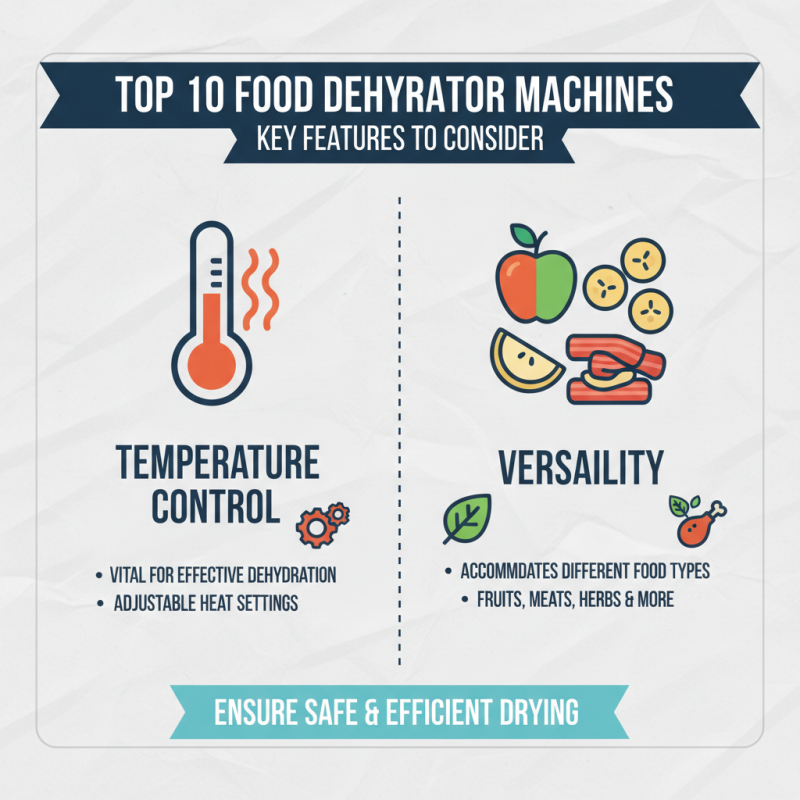
When choosing a food dehydrator machine, there are key features to consider. Temperature control is vital for effective dehydration. Look for machines that offer adjustable heat settings. These settings allow for versatility, accommodating different types of food. From fruits to meats, proper temperature ensures safe and efficient drying.
Capacity is another crucial factor. Depending on your needs, select a dehydrator with adequate space. Some models can handle large batches, while others are more compact. A smaller unit might be ideal for personal use. However, larger families may need a bigger capacity to meet their demands.
Ease of cleaning is often overlooked. Machines with removable trays simplify maintenance significantly. This feature saves time and encourages regular use. Moreover, noise levels can affect your experience. Opt for quieter models if you plan to use them frequently. Reflecting on these aspects will help make the best choice. Your experience with food dehydration can vary greatly based on these details.
Buying Tips for Global Customers: Brands, Prices, and Availability
When considering a food dehydrator, several factors come into play for global buyers. Pricing varies extensively across regions, influenced by shipping costs and local taxes. Some machines can be surprisingly affordable, while high-end models may reach higher price points. Always compare features and capacities. Look for the right balance of efficiency and price. Different brands often cater to specific markets, so options may differ based on your location.
Availability is another critical factor. Some regions have limited choices, making it necessary to explore online vendors. Read customer reviews to gauge reliability. User experiences can highlight durability and ease of use. A machine could be perfect on paper but underperform in real-life situations. Securing a warranty is also wise, as repairs can be challenging if you encounter issues.
Understanding your needs helps clarify brand preferences. Basic models might suffice for casual users, while serious enthusiasts may favor advanced features. Overloading a machine can hinder performance, yet many buyers overlook optimal usage guidelines. Some models can struggle with humidity levels, affecting drying quality. This reality can lead customers to rethink their selections, emphasizing the importance of informed decision-making in choosing a food dehydrator.
Maintenance and Care: Keeping Your Food Dehydrator in Top Shape
Maintaining your food dehydrator is essential for optimal performance. Regular cleaning after each use is necessary to prevent the buildup of food particles and odors. Wipe down the trays and interior with a damp cloth or sponge. Occasionally, use a mild detergent to eliminate stubborn residues. Remember to inspect rubber seals and trays for wear and tear. Replacing damaged parts ensures your machine runs efficiently.
Proper storage also plays a crucial role in upkeep. If not in use, keep your dehydrator in a cool, dry place. Avoid stacking items on top of it, which can cause scratches or damage. Ensure the cord is neatly coiled to prevent wear. Regularly check the electrical components to ensure safety, even if the machine is idle.
Over time, you might encounter minor issues, like uneven drying or strange noises. Don't panic; these can be signs that your dehydrator needs attention. Examining the fan and heating element may reveal dirt or obstructions. Addressing these small problems promptly can enhance your dehydration results and prolong the machine's life. It's all about finding that balance between usage and care.