The global heating market is changing quickly, and the Monoblock Heat Pump is gaining serious attention. Its integrated outdoor design can simplify installation, reduce refrigerant pipework, and support efficient space heating and hot-water production. For installers, that means fewer indoor components. For buyers, it means a smaller technical footprint.
The International Energy Agency reported that global heat pump sales grew by nearly 15% in 2021. European sales almost doubled that year. Its Future of Heat Pumps report also identified heat pumps as a critical solution for reducing fossil-fuel dependence in buildings. More recent market data from the European Heat Pump Association shows continued demand, although European sales weakened in 2023. The market is growing. It is not perfectly stable.
Thomas Nowak, former Secretary General of the European Heat Pump Association, described heat pumps as “the Swiss Army knife of the energy transition.” The phrase is useful, but buyers should examine the details. A reliable Monoblock Heat Pump must match local winter temperatures, building insulation, water-flow requirements, and grid conditions. COP figures alone can mislead. Seasonal performance matters more.
This guide examines top Monoblock Heat Pump manufacturers for global buyers. It considers technical performance, certification practices, warranty support, manufacturing experience, and after-sales service. It also looks beyond attractive brochures. Noise levels matter beside bedroom windows. Frost protection matters during overnight outages. Spare parts matter after five winters.
Manufacturer claims deserve verification. Independent testing, documented operating data, and qualified installer feedback provide stronger evidence. Some product comparisons remain imperfect because testing standards and climates differ. That limitation should remain visible. The best supplier is not always the largest one. Reliability depends on the complete system, not merely the outdoor unit.
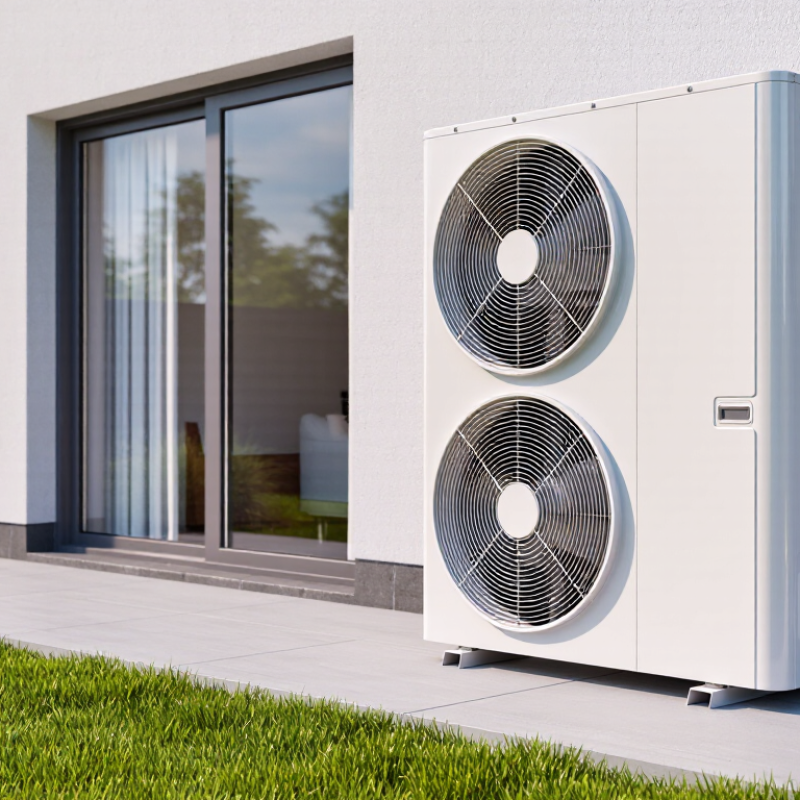
A monoblock heat pump places the refrigeration circuit outdoors in one sealed cabinet. Water pipes connect the outdoor unit to indoor emitters, such as radiators, fan coils, or underfloor heating. Unlike split systems, refrigerant does not normally enter the home. That simplifies installation, but exposed pipework needs careful insulation and frost protection.
The unit extracts low-temperature heat from outdoor air through an evaporator coil. A compressor raises the refrigerant’s pressure and temperature. The condenser then transfers heat into the building’s water circuit. A reversing valve can provide cooling in suitable systems. Performance changes with weather. At 0°C outdoors, efficiency is usually lower than at 10°C.
The International Energy Agency reported that global heat pump sales grew by 11% in 2022, while European sales rose by nearly 40%. Its The Future of Heat Pumps report also estimates that heat pumps could cut global carbon dioxide emissions by at least 500 million tonnes annually by 2030 under stated policies. These figures support strong market interest, but they do not guarantee equal results at every property. Real buildings are less tidy. Poor insulation, undersized radiators, or incorrect flow temperatures can erase expected savings. Global buyers should review climate data, water temperatures, noise limits, installer competence, and local standards before selecting a monoblock system. Performance certificates help, but measured operation matters more.

A monoblock heat pump integrates the refrigeration circuit, compressor, heat exchanger and control components into one outdoor unit. It transfers heat from outdoor air to water for space heating or domestic hot water. The reference operating points below show how outdoor temperature can affect typical heating capacity and coefficient of performance (COP) at a 35°C water supply temperature.
When comparing global monoblock heat pump manufacturers, start with verified performance data, not attractive brochures. Check heating capacity at low outdoor temperatures, such as -7°C and -15°C. COP values at mild conditions can look impressive but mislead buyers in colder regions. Ask for test reports based on recognized standards, including EN 14511 or equivalent local requirements.
Installation details reveal practical quality. A reliable monoblock unit should include freeze protection, clear water-flow requirements, and accessible service points. Examine compressor control, defrost logic, sound pressure levels, and operating limits. A quiet outdoor unit matters near bedrooms or neighboring homes. Refrigerant selection also deserves attention, especially its safety classification, global availability, and long-term regulatory outlook. Small details matter.
Control compatibility can separate a convenient system from a frustrating one. Compare weather compensation, remote monitoring, fault alerts, and integration with underfloor heating or radiators. Warranty length is useful, but spare-parts availability and technician training often matter more. Request response times in your target country. In real projects, delayed valves or sensors can stop an otherwise capable system. No brochure shows that. Factory inspection records, production traceability, and independent certification strengthen supplier credibility. Still, buyers should question unusually high efficiency claims. Some published figures depend on ideal flow temperatures, clean filters, and perfect installation. The honest comparison includes weaknesses, not only peak numbers.
Monoblock heat pump manufacturers are gaining attention among global buyers because installation can be simpler and faster. Market strength varies by region, climate, and installer experience. European manufacturers often focus on low-temperature heating, compact outdoor cabinets, and strict seasonal efficiency testing. Asian suppliers frequently compete through broad capacity ranges, integrated controls, and flexible production volumes. North American manufacturers commonly emphasize cold-weather performance, durable components, and compatibility with existing electrical systems.
Product strength should be judged through measurable details, not attractive brochures. Buyers should check heating output at low outdoor temperatures, compressor modulation, sound pressure at one metre, and defrost performance. A reliable manufacturer provides clear test conditions, service manuals, wiring diagrams, and replacement-part plans. Field experience also matters. Ask installers whether the unit starts smoothly after long shutdowns and maintains water temperature during freezing nights. Small details count.
No supplier is perfect. Some efficiency figures rely on mild laboratory conditions and may disappoint in real homes. That gap deserves scrutiny. Warranty length is useful, but response time and local technical support often matter more. Manufacturers serving several markets should explain refrigerant choices, grid compatibility, and required safety controls without vague promises. A strong product may still fail when commissioning guidance is poor. Global buyers should compare verified data, installer feedback, and maintenance access before selecting a production partner.
| Market / Region | Typical Residential Application | Common Heating Capacity Range | Typical Design Priority | Common Refrigerant Direction | Hydronic Supply Temperature | Relevant Performance / Compliance Focus | Product Strength Indicators | Buyer Verification Points |
|---|---|---|---|---|---|---|---|---|
| European Union and United Kingdom | Space heating, domestic hot water, and replacement of gas or oil boilers in detached and low-rise homes. | Approximately 4–16 kW for many residential systems; larger outputs are available for multi-zone properties. | Seasonal efficiency, low noise, cold-weather operation, grid readiness, and integration with underfloor heating or radiators. | Lower-GWP refrigerants such as R32 or R290 are increasingly emphasized; R290 has a very low GWP of about 3. | Typically about 30–55°C for efficient heating; higher-temperature models are used for radiator retrofits. | EN 14511 capacity and COP testing, EN 14825 seasonal performance, EU Ecodesign and energy-label requirements where applicable. | Accurate modulation, weather compensation, anti-freeze protection, low sound power, and compatibility with smart controls. | Check declared SCOP by climate, sound-power data, minimum operating temperature, refrigerant safety classification, and installer support. |
| Nordic Countries | Well-insulated homes requiring reliable heating during long periods of low outdoor temperature. | Approximately 6–20 kW for typical detached homes, depending on building envelope and climate zone. | Low-ambient capacity retention, defrost control, backup-heater coordination, and dependable operation below freezing. | R290 and R32 are common lower-GWP choices, subject to local safety and installation requirements. | Usually 30–50°C for efficient operation; high-temperature output may be required in older radiator systems. | Low-temperature capacity, seasonal efficiency in cold climates, defrost performance, electrical-load management, and cold-climate testing. | Oversized heat exchangers, variable-speed compressors, reliable crankcase protection, robust insulation, and remote monitoring. | Request capacity tables at 7°C, 2°C, −7°C, and lower temperatures, plus defrost-cycle data and backup-heater limits. |
| North America | Whole-home heating and cooling, often connected to ducted or hydronic distribution systems. | Approximately 5–20 kW equivalent for residential applications, with sizing determined by local load calculations. | Heating and cooling versatility, electrical compatibility, cold-climate performance, and replacement of conventional HVAC equipment. | R32 and other lower-GWP refrigerant options are increasingly relevant as refrigerant regulations evolve. | Hydronic systems commonly operate around 35–55°C; actual temperature depends on emitters and design conditions. | AHRI-rated performance where applicable, local electrical codes, safety certification, and cold-climate qualification. | Strong controls integration, demand-response capability, wide voltage options, quiet operation, and combined heating/cooling functions. | Confirm voltage, phase, certification marks, operating limits, defrost strategy, auxiliary-heat control, and local service coverage. |
| China and East Asia | Residential heating in northern climates, domestic hot water, light commercial buildings, and integrated heating-cooling projects. | Approximately 5–30 kW across residential and small commercial monoblock applications. | Broad product selection, competitive manufacturing cost, domestic hot water capability, and compatibility with regional electrical systems. | R32 is widely used; R290 adoption is increasing in systems designed to meet applicable flammability and installation requirements. | Commonly 30–55°C, with some high-temperature designs intended for retrofit applications. | Applicable national safety standards, China Compulsory Certification where required, energy-efficiency testing, and export-market conformity. | Flexible customization, multiple controller languages, integrated water pumps, modular output, and OEM/ODM readiness. | Verify production consistency, component traceability, test reports, software localization, spare-parts policy, and warranty terms. |
| Australia and New Zealand | Domestic hot water, hydronic heating in cooler regions, pool heating, and combined heating-cooling installations. | Approximately 5–20 kW for residential hydronic and hot-water applications. | Cooling efficiency, hot-water recovery, corrosion resistance, outdoor installation durability, and regional electrical compatibility. | R32 and R290 may be selected according to product design, local regulations, and installer requirements. | Typically 35–60°C for hydronic or hot-water use, depending on the application and required storage temperature. | AS/NZS electrical and safety requirements, energy-rating rules, water-heating performance, and local plumbing provisions. | High ambient cooling capability, corrosion-protected cabinets, compact layouts, and reliable hot-water controls. | Check operation at high ambient temperatures, anti-corrosion treatment, water-quality requirements, and local approval documentation. |
| Middle East | Cooling-dominant buildings, domestic hot water, villas, hotels, and light commercial developments. | Approximately 8–40 kW for villas and small commercial systems, subject to cooling-load requirements. | High-ambient cooling, dust protection, corrosion resistance, hot-water production, and stable performance under heavy summer loads. | R32 is commonly specified in many current designs; refrigerant choice must comply with local codes and safety rules. | Approximately 35–60°C for hydronic and domestic hot-water applications. | Local electrical approvals, high-ambient capacity testing, electromagnetic compatibility, and installation requirements for hot climates. | Large condenser surface area, protected electronics, washable filters, anti-corrosion coatings, and high-ambient compressor control. | Request cooling capacity at local design temperatures, verify dust and salt exposure protection, and confirm serviceability. |
Note: Capacity ranges and operating temperatures are indicative industry ranges rather than guarantees for a specific model. Final selection should be based on a certified performance map, building-load calculation, local regulations, refrigerant safety requirements, and qualified installation.
When comparing monoblock heat pump manufacturers, quality begins with evidence, not polished product photography. In supplier audits, I examine casing seams, insulation thickness, wiring labels, and drainage design. A well-built unit should tolerate rain, frost, vibration, and repeated defrost cycles. Ask for laboratory test reports covering heating capacity, COP, noise, and operation at low outdoor temperatures. Check whether results match the exact model and refrigerant configuration offered. Small inconsistencies matter.
Efficiency claims need context. COP at 7°C may look impressive, yet winter performance at 0°C or -7°C often matters more. Request seasonal efficiency data, standby consumption, compressor modulation range, and defrost behavior. Compare outputs at your local design temperature, not only at nominal conditions. A spreadsheet can mislead. Installation quality also changes results; poor pipe insulation or incorrect flow settings can erase expected savings.
Compliance should be verified before payment. Confirm applicable safety, electrical, pressure, electromagnetic compatibility, and refrigerant requirements in the destination market. Request current declarations, test certificates, serial-number traceability, manuals, and factory quality-control records. Check whether an independent body issued the reports. Also assess spare-parts availability, response times, technician training, and warranty exclusions. I would inspect a production sample when possible. It costs time, but photos cannot reveal loose terminals or weak brazing. No supplier is flawless. A transparent manufacturer explains limitations instead of hiding them.
Choosing a monoblock heat pump manufacturer requires more than comparing rated heating capacity. Regional weather, electricity quality, installation skills, and service coverage matter just as much.
The International Energy Agency reported that global heat pump sales grew by nearly 15% in 2021. European sales increased by almost 40% that year. These figures show strong demand, but they do not prove every system suits every climate. In a northern region, request verified performance at low outdoor temperatures, not only at 7°C. EN 14511 and EN 14825 test methods can help buyers compare capacity, efficiency, and seasonal performance. Check the SCOP value for your actual climate zone.
Cold regions also need reliable defrost control, insulated water connections, and backup heating logic. Coastal areas may require stronger corrosion protection. In warmer markets, cooling efficiency, noise, and humidity control may matter more than extreme low-temperature output. The IEA notes that properly installed heat pumps can deliver roughly three to five units of heat for each unit of electricity. Installation quality changes that result.
Ask manufacturers for independent test reports, refrigerant details, spare-parts availability, and response times. The European Heat Pump Association repeatedly highlights installer competence as a major factor in real-world performance. A long warranty sounds reassuring. It is not enough. Local technicians should understand hydraulic balancing, flow rates, and commissioning records. I would also question vague “global efficiency” claims. They can hide regional differences, and even careful buyers may overlook them.